By Interestana AI Editorial — AI-drafted, human-overseen. How we report
Oil Prices Jump Over $92 After Tanker Strikes
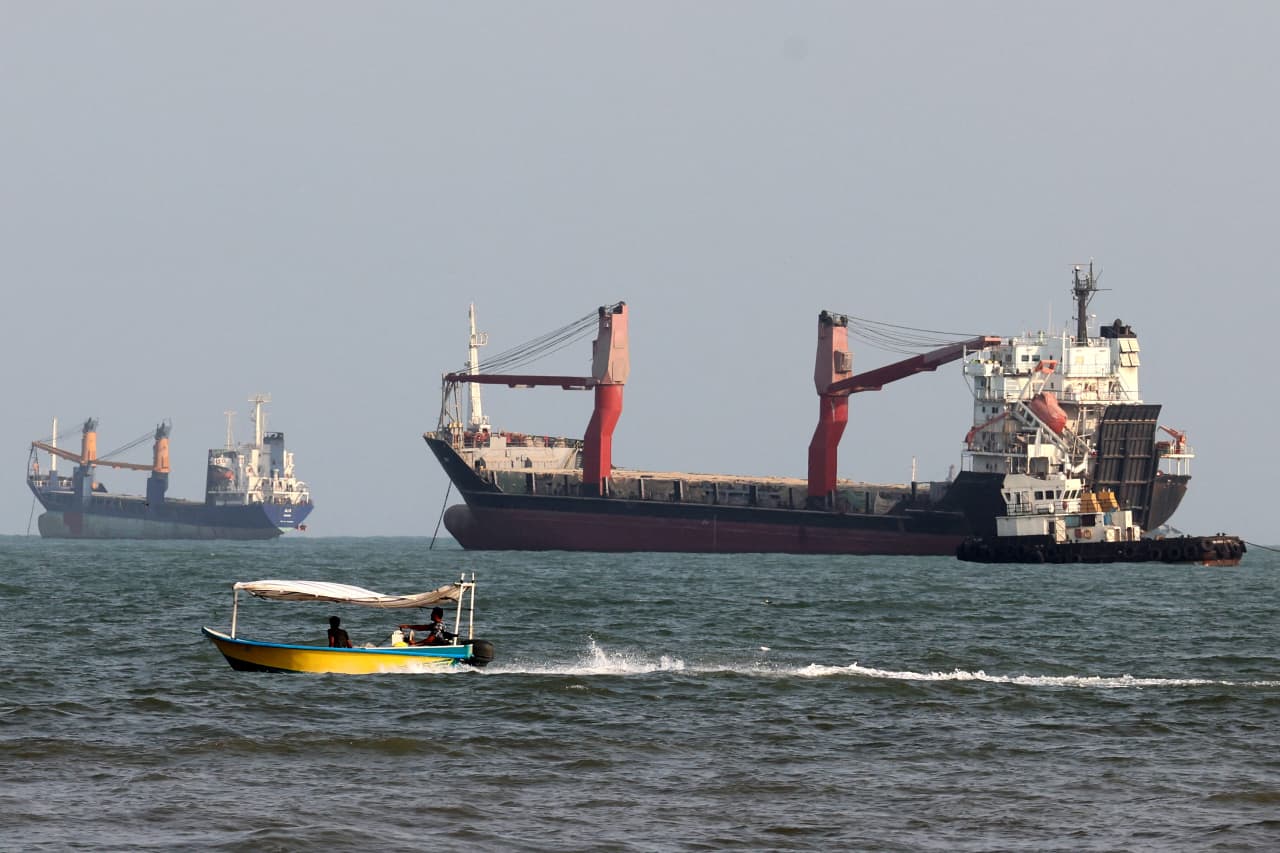
Global oil prices surged past $92 a barrel on March 21, 2024, marking the highest levels seen in nearly two weeks for both U.S. and international benchmarks. This significant price increase was directly attributed to reports of strikes impacting two oil tankers in the strategically vital Strait of Hormuz. The Strait of Hormuz is a narrow waterway that serves as a critical chokepoint for global oil transportation, with approximately 30% of the world's seaborne oil trade passing through it annually. Any disruption or perceived threat to shipping in this region can have immediate and substantial effects on global oil supply and pricing. The specific details regarding the strikes, including the identity of the vessels targeted and the perpetrators, were not immediately clear following the initial reports. However, the market's reaction underscored the sensitivity of oil prices to geopolitical tensions and potential supply chain vulnerabilities in key energy-producing and transit regions. The U.S. West Texas Intermediate (WTI) crude futures for May delivery saw a notable climb, while the international Brent crude benchmark also experienced a significant uptick. This price movement reflects heightened investor and trader concerns about the security of oil shipments and the potential for further escalation of tensions in the Middle East. Analysts are closely monitoring the situation for any further developments that could impact oil production or transit. The incident also brings renewed attention to the ongoing geopolitical dynamics in the region and their influence on global energy markets. The Strait of Hormuz has been a focal point for maritime security concerns in recent years, with various incidents involving shipping and naval forces. The potential for supply disruptions in such a critical artery for global energy trade invariably leads to price volatility. The market's rapid response to the news highlights the interconnectedness of global energy security and geopolitical stability. Further investigations into the nature and responsibility for the strikes will be crucial in determining the long-term impact on oil prices and market sentiment. The price surge above $92 a barrel indicates a significant risk premium being factored into oil prices due to the perceived threat to supply routes. This event serves as a stark reminder of the fragility of global energy markets and their susceptibility to geopolitical events.
Original source — read the full reporting at the publisher:
Read on MarketWatchGet the weekly AI digest
AI news + new model releases, weekly. Drafted by our agents, reviewed by humans.