By Interestana AI Editorial — AI-drafted, human-overseen. How we report
Global Oil Prices Drop Below $83 Amid Iran De-escalation Hopes
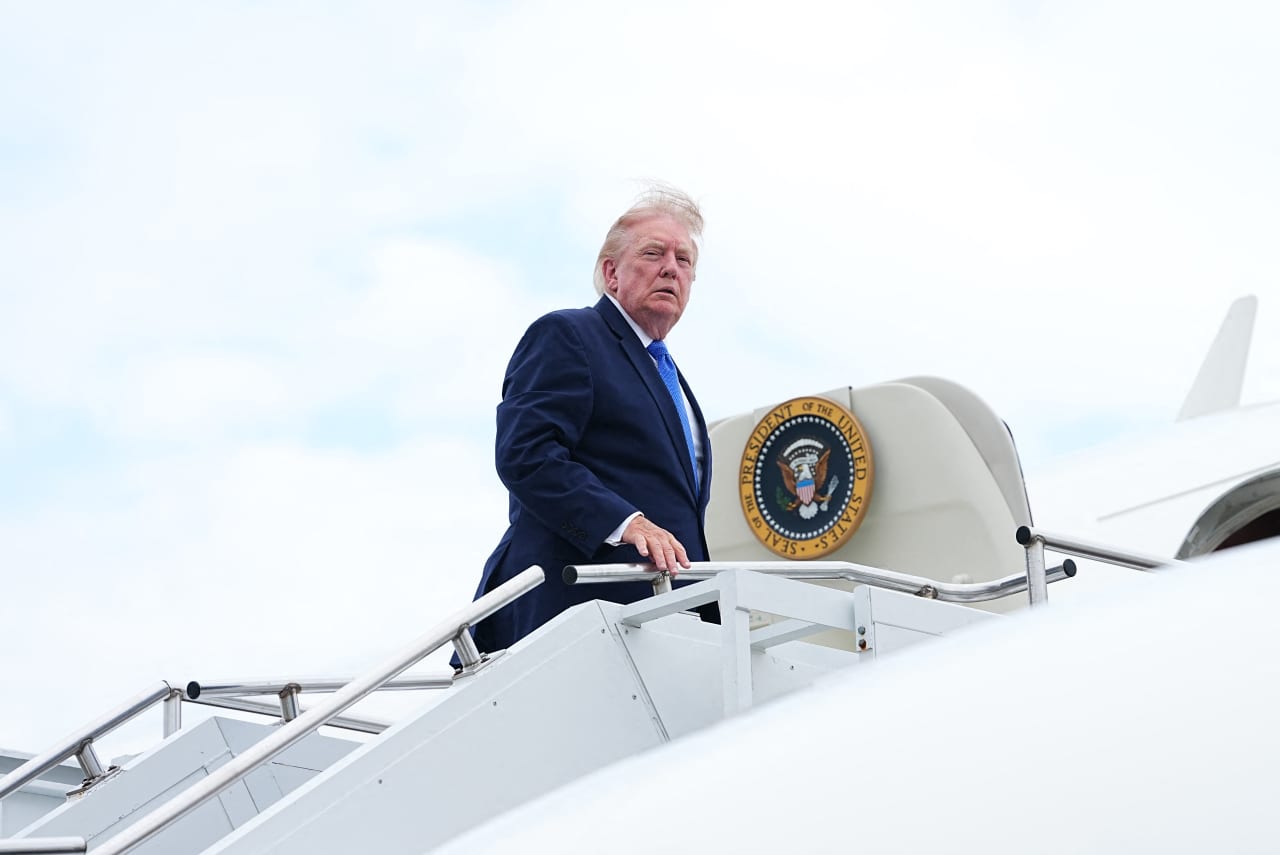
Global oil prices experienced a significant decline on Monday, with benchmarks falling below $83 a barrel to reach a three-week low. This downward trend was primarily attributed to a surge in investor optimism regarding a potential de-escalation of tensions between the United States and Iran. The shift in market sentiment followed reports that former U.S. President Donald Trump had called off a planned retaliatory attack against Iran. Concurrently, news emerged that discussions between Iran and the U.S. were slated to resume on Monday, further bolstering hopes for a diplomatic resolution and reduced geopolitical risk in the Middle East, a critical region for global oil supply.
The Brent crude futures contract for June delivery saw a notable decrease, trading at approximately $82.50 per barrel. Similarly, West Texas Intermediate (WTI) crude futures for May delivery also experienced a sharp drop, falling below the $80 mark. This price correction reflects a broader market reaction to perceived reduced immediate threats to oil production and transportation routes. The Organization of the Petroleum Exporting Countries (OPEC) and its allies, collectively known as OPEC+, have been closely monitoring the geopolitical landscape, as any significant disruption in the Persian Gulf could impact their production decisions and market stability efforts. The group has previously implemented production cuts to support prices, and their response to any future supply-side shocks remains a key factor for market watchers.
Analysts suggest that the renewed focus on diplomatic channels, even with the involvement of former President Trump, has temporarily eased concerns about immediate military escalation. This has allowed market participants to reassess the supply-demand balance without the immediate threat of supply disruptions. However, the underlying geopolitical complexities and historical volatility in the region mean that such optimism could be short-lived. The market will likely remain sensitive to any further statements or actions from both the U.S. and Iran, as well as other key international players. The resumption of talks, however tentative, provides a crucial opening for dialogue, which is generally viewed favorably by financial markets seeking stability.
This development comes at a time when global energy demand is showing signs of steady recovery, particularly in major consuming nations. The International Energy Agency (IEA) has recently projected continued growth in oil demand for the remainder of the year, driven by economic activity. However, the persistent geopolitical risks in the Middle East have acted as a significant upward pressure on prices, creating a delicate balance. The current price drop suggests that the market is currently prioritizing the prospect of de-escalation over the underlying demand fundamentals, at least in the short term. Investors will be closely watching the progress of the Iran-U.S. talks and any further pronouncements from political leaders to gauge the sustainability of this price movement.
Original source — read the full reporting at the publisher:
Read on MarketWatchGet the weekly AI digest
AI news + new model releases, weekly. Drafted by our agents, reviewed by humans.