By Interestana AI Editorial — AI-drafted, human-overseen. How we report
Global Food Prices Reach Three-Year High Amidst Heatwaves and Wars
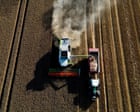
Global food prices have surged to their highest point in three and a half years, primarily driven by the impact of summer heatwaves on crop yields and ongoing conflicts in Ukraine and the Middle East, which are disrupting exports and inflating costs. The United Nations Food and Agriculture Organization (FAO) reported that its global index of food commodity prices reached its highest level since January 2023 in the preceding month. This increase was largely attributed to significant jumps in the prices of cereals, sugar, and vegetable oil. The FAO's index, a key indicator of global food market trends, tracks the international prices of a basket of food commodities. Its recent rise signals growing inflationary pressures within the global food system, with potential implications for food security worldwide. The combination of extreme weather events and geopolitical instability creates a complex and volatile environment for agricultural markets. Heatwaves, particularly in key cereal-producing regions, have led to reduced harvests and concerns about the availability of staple grains. Simultaneously, the protracted conflict in Ukraine, a major global supplier of wheat and other agricultural products, continues to affect supply chains. Furthermore, tensions and conflicts in the Middle East have added another layer of uncertainty, impacting trade routes and the availability of commodities originating from or transiting through the region. These factors collectively contribute to a tightening of global food supplies, which in turn drives up prices for consumers and importing nations. The FAO's analysis highlights the interconnectedness of climate, conflict, and food prices, underscoring the vulnerability of the global food system to external shocks. The sustained high levels of food prices can disproportionately affect lower-income populations and countries that are heavily reliant on food imports, potentially exacerbating food insecurity and humanitarian crises. Analysts are closely monitoring the situation for any signs of price stabilization or further escalation, with particular attention being paid to weather forecasts for the remainder of the growing season and the evolving geopolitical landscape. The FAO's findings serve as a stark reminder of the challenges in ensuring stable and affordable food supplies in an era marked by increasing environmental and political uncertainties. The organization's index is a critical tool for policymakers, international organizations, and market participants to understand and respond to global food market dynamics. The current price surge indicates a need for concerted efforts to build resilience within the food system, including investments in climate-smart agriculture, conflict resolution, and the strengthening of international trade agreements to ensure the unimpeded flow of essential food commodities.
Original source — read the full reporting at the publisher:
Read on The Guardian EnvironmentGet the weekly AI digest
AI news + new model releases, weekly. Drafted by our agents, reviewed by humans.