Livestock Farming Boom Threatens Wildlife, Report States
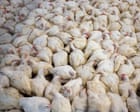
The global population of farmed mammals and poultry has increased by 50% since 2006, a trend that is placing significant pressure on natural ecosystems, according to a report released this week by a campaign alliance. This substantial rise in livestock numbers has been accompanied by a roughly 25% increase in the amount of cropland dedicated to growing feed for these animals. The expansion of land for animal agriculture is contributing to habitat loss and increased demand for water resources, directly threatening wildlife and plant species. The report highlights that this growth in livestock farming is a major driver of biodiversity loss and exacerbates the ongoing climate crisis through increased greenhouse gas emissions and land-use change.
The findings underscore the interconnectedness of food production systems and environmental health. The campaign alliance's research indicates that the escalating demand for meat and dairy products globally is fueling this expansion of intensive farming practices. This intensification requires more land for feed production, often leading to deforestation and the conversion of natural habitats into agricultural land. The report details how this process disrupts ecosystems, fragments wildlife populations, and reduces the planet's capacity to absorb carbon dioxide.
Furthermore, the increased reliance on cropland for livestock feed diverts resources that could otherwise be used for growing food for direct human consumption or for more sustainable land management practices. The report calls for a reassessment of global food consumption patterns and agricultural policies to mitigate the environmental impact of livestock farming. It suggests that a shift towards more plant-based diets and a reduction in food waste could significantly alleviate the pressure on land, water, and biodiversity. The alliance emphasizes that urgent action is needed to curb the growth of industrial livestock production and protect the planet's natural resources for future generations.
Original source — read the full reporting at the publisher:
Read on The Guardian Environment