By Interestana AI Editorial — AI-drafted, human-overseen. How we report
Giordano's Marina Opera Resurrected After 138 Years
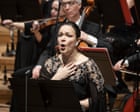
Umberto Giordano's one-act opera, 'Marina,' composed in 1888 when the composer was just 21 years old, has finally seen a recording released by Decca, 138 years after its creation. The opera competed in a 1888 competition, ultimately placing sixth, with Pietro Mascagni's 'Cavalleria Rusticana' taking the top prize. The score for 'Marina' remained largely unperformed until 2026, when it received its premiere performance at Milan's Teatro dal Verme. This recording, featuring soprano Maria Grazia De Tommaso as Marina, tenor Francesco Buratto as Giorgio, and conducted by Matteo Beltrami with the Orchestra I Pomeriggi Musicali, aims to bring this long-lost work to a wider audience. The opera is set in Montenegro during an unspecified conflict with Serbia and follows the story of Marina, a Montenegrin woman who shelters Giorgio, a wounded Serb. This act precipitates inevitable conflict with her brother and a suitor, leading to a dramatic conclusion characteristic of verismo opera. Despite its dramatic shortcomings, the opera is noted for its melodic promise and Giordano's early skill in musical coloration. The recording captures a militaristic opening, followed by Marina's central aria, a poignant ballad lamenting lost opportunities. Her subsequent scene with the injured Giorgio is described as being redeemed by Giordano's ability to craft appealing melodies, even if the writing is not the most sophisticated, it is characterized as coming "straight from the heart." The release by Decca signifies a significant effort to resurrect and re-evaluate an early work by a composer more widely known for later operas such as 'Andrea Chénier' and 'Fedora.' The recording's existence and release are a testament to the ongoing efforts in the classical music world to rediscover and perform neglected operatic works. The opera's narrative arc, while perhaps conventional for its time, provides a framework for Giordano's developing musical language, showcasing his nascent talent for melodic invention and dramatic pacing. The performance details, including the conductor Matteo Beltrami and the Orchestra I Pomeriggi Musicali, are integral to the presentation of this historical revival, offering listeners a chance to experience a piece that has been unheard by most for over a century. The critical reception acknowledges the opera's potential, suggesting that while it may not reach the heights of Giordano's later masterpieces, it offers a fascinating glimpse into the composer's early creative output and his command of operatic form.
Original source — read the full reporting at the publisher:
Read on The Guardian CultureGet the weekly AI digest
AI news + new model releases, weekly. Drafted by our agents, reviewed by humans.