By Interestana AI Editorial — AI-drafted, human-overseen. How we report
Giant Whales Enter Greenland Waters Amidst Ice Melt
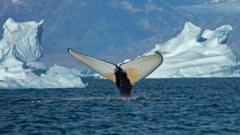
The diminishing sea ice in Greenland's waters, a direct consequence of climate change, is facilitating the migration of giant whales into previously inaccessible areas, enabling them to engage in extensive feeding activities. This environmental shift has led to a notable increase in whale sightings and observed feeding frenzies within these Arctic regions. The phenomenon highlights a significant ecological change occurring in the Arctic, where warming temperatures are altering marine ecosystems and the migratory patterns of large marine mammals.
Scientists have observed that the opening of these waters provides whales with access to abundant food sources that were previously locked beneath the ice. This allows for prolonged periods of feeding, often referred to as 'feeding frenzies,' where whales consume large quantities of prey to build up energy reserves. The specific species of whales benefiting from these newly accessible feeding grounds include various baleen whales, such as humpback whales and fin whales, which are known for their large-scale migrations and filter-feeding habits. The increased presence of these apex predators can have cascading effects on the local marine food web, influencing populations of krill, fish, and other smaller organisms.
The ongoing melting of Arctic sea ice is a well-documented trend driven by global warming. This process not only affects marine life but also has broader implications for the Arctic environment, including coastal erosion, changes in ocean currents, and impacts on indigenous communities. The phenomenon of whales entering Greenland's waters is a visible indicator of these larger climatic shifts. Researchers are closely monitoring these changes to understand the long-term consequences for whale populations and the overall health of the Arctic marine ecosystem. The ability of these large animals to adapt their feeding grounds in response to environmental changes underscores their resilience, but also raises questions about the sustainability of these new patterns as ice cover continues to fluctuate.
Further research is needed to fully comprehend the long-term ecological impacts of this trend. Understanding how whale populations respond to these altered feeding opportunities, including potential competition with other species or increased vulnerability to human activities in newly opened shipping lanes, is crucial. The observed 'feeding frenzies' suggest a temporary abundance of food, but the sustainability of these resources in a rapidly changing Arctic climate remains a key area of scientific inquiry. The increased whale activity in Greenland's waters serves as a stark reminder of the profound and far-reaching effects of climate change on global biodiversity.
Original source — read the full reporting at the publisher:
Read on BBC World NewsGet the weekly AI digest
AI news + new model releases, weekly. Drafted by our agents, reviewed by humans.