By Interestana AI Editorial — AI-drafted, human-overseen. How we report
Teens' Back-to-School E-Bikes Require Protective Gear
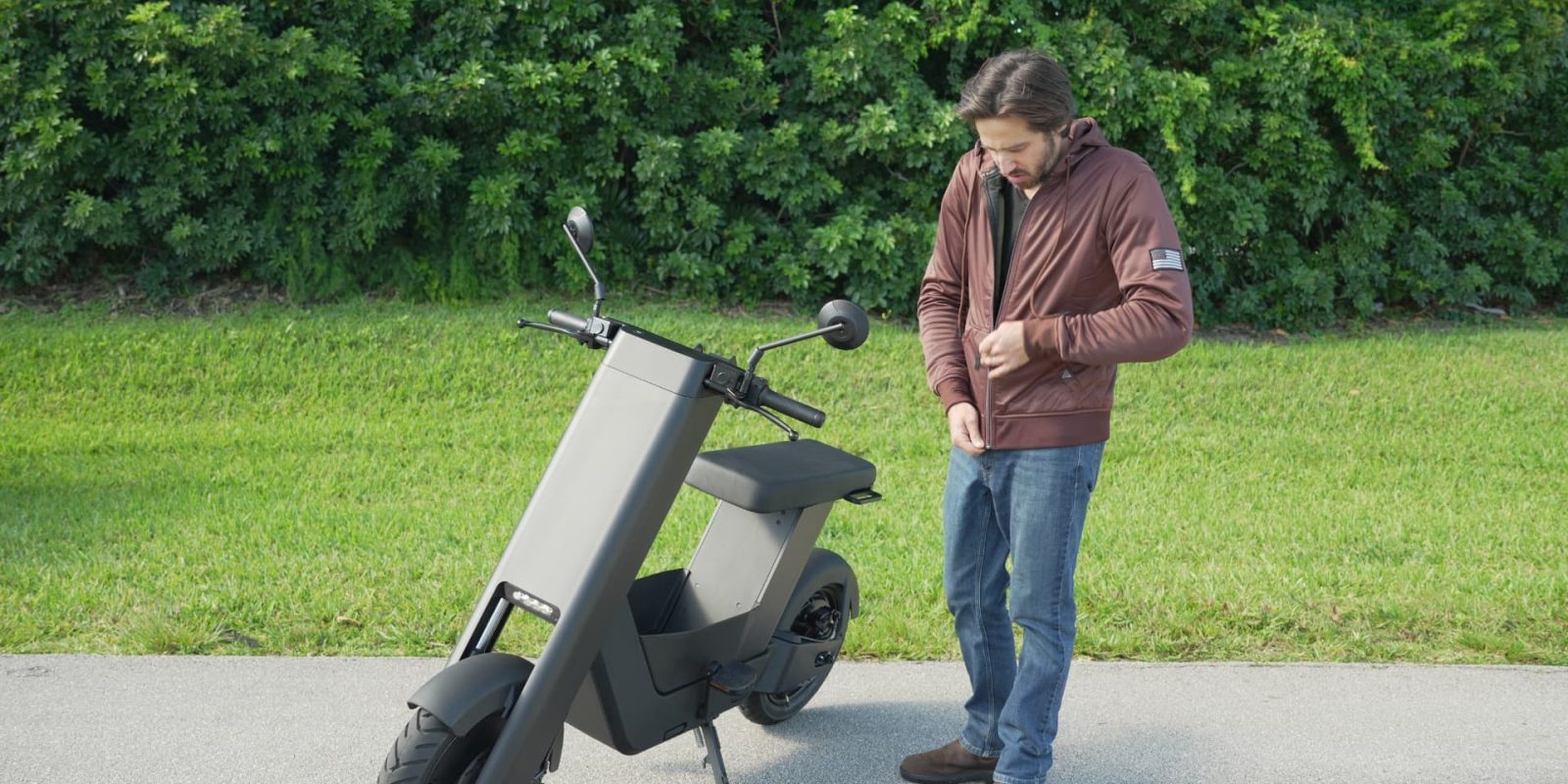
The back-to-school shopping season is increasingly including electric bikes as a transportation option for teenagers, offering them greater independence for commuting to school, extracurricular activities, and social engagements. This trend mirrors the growing adoption of e-bikes by families seeking alternatives to car dependency for their children. However, alongside the benefits of enhanced mobility, there is a critical need to ensure young e-bike riders are adequately protected with appropriate safety equipment. The analogy is drawn to encouraging new car drivers to use seatbelts; similarly, young e-bike users should be outfitted with the right protective gear before they begin riding.
While the article does not specify particular brands or models of e-bikes, it emphasizes the general importance of safety accessories. The core message advocates for a proactive approach to e-bike safety for adolescents, framing it as a necessary component of responsible ownership and usage. This includes understanding that e-bikes, despite their convenience, are vehicles that carry inherent risks, and mitigating these risks is paramount. The focus is on equipping teens with the tools to ride safely, thereby fostering a culture of responsibility around this emerging mode of transport.
The article highlights that the decision to purchase an e-bike for a teenager is often driven by the desire to grant them autonomy and reduce reliance on parental transportation. This freedom, however, comes with the responsibility of ensuring their well-being. Therefore, the selection of protective gear should be considered an integral part of the e-bike acquisition process, not an afterthought. The underlying principle is that the convenience and independence offered by e-bikes should not come at the expense of safety. Families are encouraged to view protective gear as an essential investment in their child's well-being, akin to other back-to-school necessities.
Although specific types of protective gear are not detailed, the implication is that standard safety equipment for cycling is recommended. This typically includes helmets, which are crucial for preventing head injuries in the event of a fall or collision. Other potential protective items could encompass knee pads, elbow pads, and gloves, which offer additional protection against abrasions and impacts during an accident. The article implicitly suggests that parents should research and select gear that is appropriate for the speeds and capabilities of electric bicycles, ensuring a comprehensive safety strategy for their teenage riders. The overarching sentiment is that responsible e-bike use for teens necessitates a dual focus on both the vehicle and the rider's protection.
Original source — read the full reporting at the publisher:
Read on ElectrekGet the weekly AI digest
AI news + new model releases, weekly. Drafted by our agents, reviewed by humans.