By Interestana AI Editorial — AI-drafted, human-overseen. How we report
Get Used to High Gas Prices: Geopolitical Easing Won't Bring Immediate Relief
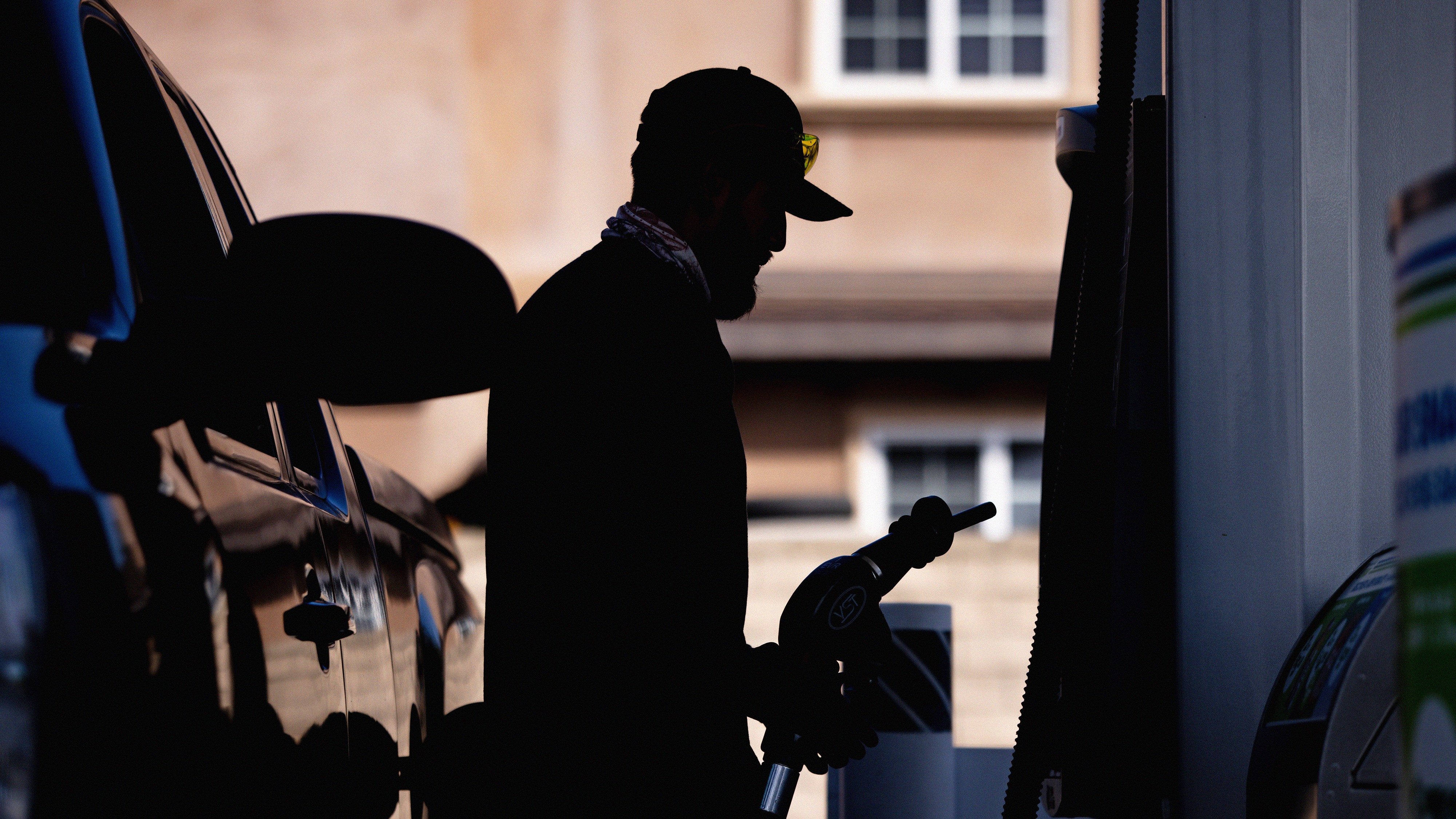
The prospect of an immediate end to the Iran war, while a welcome development for global stability, is unlikely to bring swift relief to consumers grappling with persistently high gasoline prices. Analysts emphasize that even a de-escalation of geopolitical tensions in the Middle East will not fundamentally alter several underlying market dynamics that are currently supporting elevated fuel costs. These factors are multifaceted, encompassing a robust global demand recovery that is outpacing the growth in oil supply, alongside deliberate strategic decisions by major oil-producing nations to manage their output.
Global oil demand has demonstrated a significant and sustained rebound following the economic slowdown precipitated by the COVID-19 pandemic. This resurgence is largely attributable to increased travel and a general uptick in economic activity across major economies worldwide. Concurrently, the Organization of the Petroleum Exporting Countries (OPEC) and its allies, a powerful bloc that notably includes Russia, have continued to implement production cuts. The primary objective of these cuts is to stabilize oil prices and ensure a semblance of market balance, thereby preventing sharp price declines. This intentional management of crude oil supply, aimed at maintaining a floor under prices, directly contributes to the sustained higher cost of crude oil, which is the principal raw material for gasoline production.
Furthermore, the refining sector, the critical industrial process that transforms crude oil into usable gasoline and other petroleum products, is currently operating at high utilization rates. This means that refineries are working close to their maximum capacity. Existing capacity constraints, coupled with ongoing maintenance schedules at some facilities, can further tighten the available supply of finished gasoline. This is particularly impactful during periods of peak demand, such as summer driving seasons. While the immediate cessation of hostilities in Iran might remove a specific geopolitical risk premium that has been factored into oil prices, the broader, more entrenched supply-demand imbalance and the strategic production policies of key oil producers are poised to keep gasoline prices elevated for the foreseeable future. Consumers should therefore brace themselves for a continued period of higher fuel expenses, irrespective of short-term geopolitical developments in any single region.
Original source — read the full reporting at the publisher:
Read on The AtlanticGet the weekly AI digest
AI news + new model releases, weekly. Drafted by our agents, reviewed by humans.