By Interestana AI Editorial — AI-drafted, human-overseen. How we report
Germany Monitors Fuel Prices Amid Low River Levels
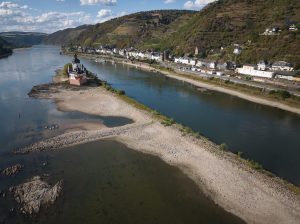
Germany's transport minister, Steffen Bilger, stated on Tuesday that the government is closely monitoring fuel price increases in certain regions of the country, which are being exacerbated by critically low water levels in rivers due to intense summer heat. Bilger, who joined Chancellor Friedrich Merz's cabinet on July 29, indicated his opposition to a fuel rebate similar to one implemented in April in response to the war in Iran, deeming it "no longer possible and no longer affordable." However, coalition partners are engaged in discussions regarding the broader economic impacts of the dwindling river levels, which are contributing to price hikes.
Bilger acknowledged that supply problems linked to the low water levels are causing price spikes in specific areas, but he emphasized that a full-blown supply crisis has not yet materialized, with supply chains still functioning. Europe is currently experiencing another heatwave, intensifying the risk of wildfires, damaging crops, and drying out vital waterways such as the Rhine, Danube, and Po rivers. These diminished water levels have led to disruptions in river navigation and power generation. A particularly critical chokepoint for river shipments to southern Germany and Switzerland, the barge clearance level at Kaub on the Rhine, has seen a significant decline. It dropped to 24 centimeters (9.5 inches) a week prior to Bilger's statement, marking the lowest point since records began in 1880, and further decreased to 14 centimeters on Tuesday. Projections from the Federal Waterways and Shipping Administration suggest the level could fall to as low as 9 centimeters by Saturday.
In response to the escalating situation, Bilger convened a crisis meeting last week to implement immediate actions. These measures include the temporary suspension of state driving restrictions on public holidays to ensure the continued flow of goods through supply chains. Additionally, construction work is being temporarily halted to facilitate the movement of essential supplies. Bilger indicated his intention to hold another meeting on Wednesday to further assess and address the ongoing challenges. He described the situation as "worrying" and highlighted the benefit of prompt action. The increasing frequency and intensity of extreme heat events in Europe are attributed to climate change, underscoring the long-term implications of such environmental shifts on infrastructure and economic stability. The government's focus remains on mitigating immediate supply disruptions and managing the economic fallout from these environmental pressures.
Original source — read the full reporting at the publisher:
Read on FortuneGet the weekly AI digest
AI news + new model releases, weekly. Drafted by our agents, reviewed by humans.