By Interestana AI Editorial — AI-drafted, human-overseen. How we report
George Osborne Urges UK to Rejoin EU Customs Union
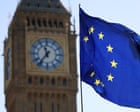
Former UK Chancellor George Osborne stated on September 13, 2026, that the British economy has "fallen off a cliff" since the United Kingdom's departure from the European Union, commonly known as Brexit. Osborne, who served as chancellor under Prime Minister David Cameron and was part of the cabinet during the 2016 Brexit referendum, asserted that rejoining the EU's customs union represents the most expedient path toward economic recovery for the UK. He emphasized the critical need to re-establish robust trade connections with the European Union, suggesting that such a move could be implemented relatively simply. Osborne's remarks highlight a significant shift in perspective from a prominent figure within the Conservative Party, which historically championed Brexit. His call for closer economic integration with the EU underscores ongoing debates about the long-term economic consequences of leaving the bloc. The customs union, a system where member states apply a common external tariff to goods imported from outside the union, aims to facilitate frictionless trade among its members by eliminating customs duties and quotas. Rejoining this union would mean the UK would have to align its trade policy with that of the EU and apply the EU's common external tariff. This would, in turn, remove the need for customs checks and tariffs on goods traded between the UK and EU member states, thereby reducing trade barriers and potentially boosting economic activity. Osborne's argument centers on the idea that the current trade friction with the EU, a major trading partner for the UK, has had a detrimental effect on British businesses and overall economic growth. He suggests that the administrative burdens and costs associated with the current trade arrangements are hindering the UK's ability to compete effectively in international markets. By advocating for a return to the customs union, Osborne is proposing a pragmatic solution that prioritizes economic pragmatism over ideological adherence to full regulatory and trade autonomy. His position reflects a growing sentiment among some business leaders and economists who believe that the economic costs of Brexit have outweighed its perceived benefits, and that a recalibration of the UK's relationship with the EU is necessary to mitigate further economic damage. The former chancellor's call is likely to reignite discussions within political and economic circles about the future direction of UK trade policy and its relationship with its European neighbors, particularly as the long-term impacts of Brexit continue to be assessed and debated.
Original source — read the full reporting at the publisher:
Read on The Guardian WorldGet the weekly AI digest
AI news + new model releases, weekly. Drafted by our agents, reviewed by humans.