By Interestana AI Editorial — AI-drafted, human-overseen. How we report
Dominic Barton: Geopolitical Risk Needs Core Business Integration
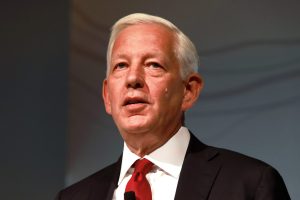
Dominic Barton, strategic counselor to Eurasia Group and chair of Australian mining giant Rio Tinto, stated that companies must fundamentally shift their approach to geopolitical risk, integrating it into core business strategy rather than treating it as a peripheral concern. Barton, speaking with Fortune, highlighted the increasing frequency and unpredictability of geopolitical shocks, such as surprise U.S. tariffs, wars involving nations like Iran, and evolving tech and export controls between the U.S. and China. He observed that the foundational assumptions of international institutions, free trade, and a rules-based global order are eroding. Barton contrasted the current environment with fifteen years prior, when diplomatic channels would have been used to address such issues, whereas now, significant policy shifts can be announced via social media, as exemplified by U.S. President Donald Trump's initial announcement of 50% tariffs on some Canadian goods, including autos, dairy, and alcohol, which was later delayed by three days. Barton, with extensive experience from his decades at McKinsey, his tenure as Canadian ambassador to China, and his current role at Rio Tinto, believes executives need to adapt their thinking to these new geopolitical scenarios, acknowledging that while risks have increased, so too has the potential for upside. He advocates for moving beyond the outdated model of treating geopolitical risk as an "after-dinner speaker" topic, where former politicians or board members would offer anecdotal insights. This approach, he argues, is no longer sufficient for navigating the complexities of the modern global landscape. Barton's career trajectory, from leading McKinsey's Asia business to serving as Canada's ambassador to China, provides him with a unique perspective on how businesses must evolve. He emphasized that companies should not simply hope for a return to previous international norms but should actively prepare for and strategize within the current, more volatile environment. The shift requires a proactive and embedded approach to risk assessment and management, where geopolitical considerations inform strategic decisions at all levels of an organization. This integration is crucial for identifying both potential threats and emerging opportunities in a rapidly changing world.
Original source — read the full reporting at the publisher:
Read on FortuneGet the weekly AI digest
AI news + new model releases, weekly. Drafted by our agents, reviewed by humans.