By Interestana AI Editorial — AI-drafted, human-overseen. How we report
GM EV Sales Decline Amid Shifting Tax Credit Landscape
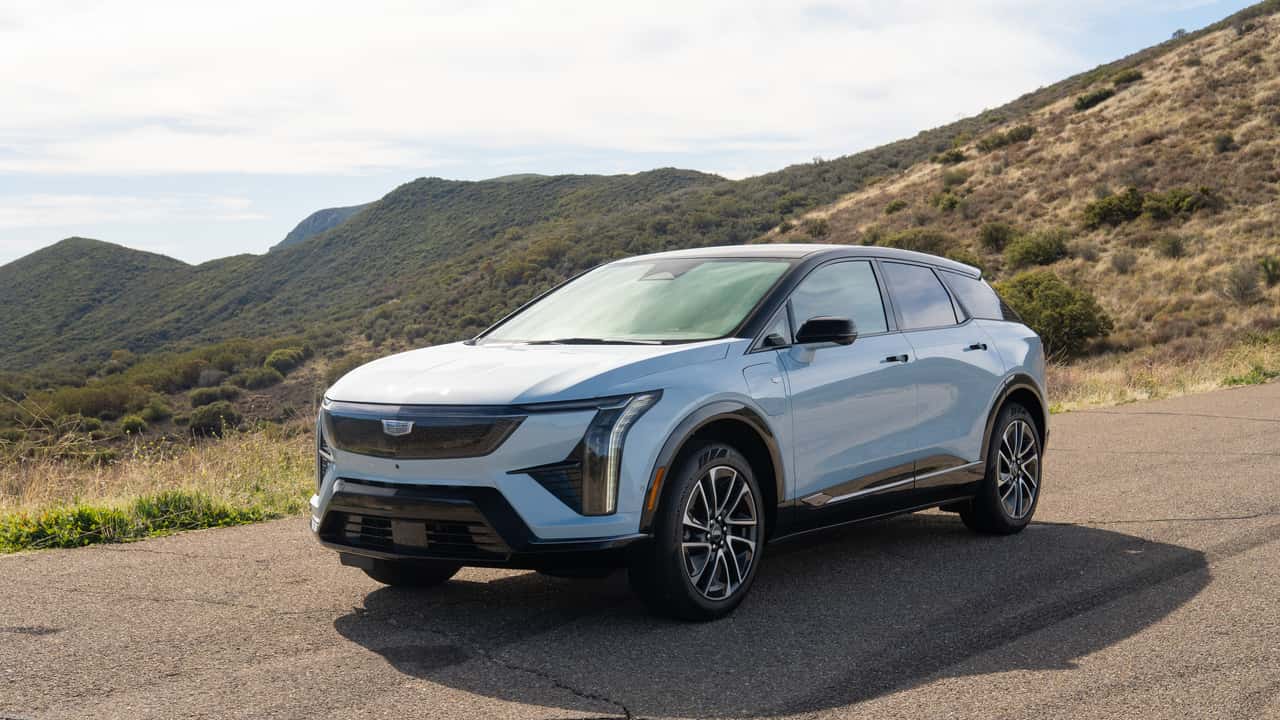
General Motors (GM) has experienced a notable decline in its electric vehicle (EV) sales, with the Silverado EV, in particular, showing a 92% year-over-year decrease. This substantial drop is attributed not to a fundamental lack of demand for the vehicle itself, but rather to the evolving landscape of federal tax credits available to consumers. The Inflation Reduction Act of 2022 introduced new rules and limitations for EV tax credits, which have impacted the affordability and purchasing decisions of potential buyers. Initially, many EVs qualified for the full $7,500 tax credit, making them more competitive against their internal combustion engine counterparts. However, as the year progressed and manufacturing supply chains were scrutinized under the new legislation, fewer vehicles met the battery component and critical mineral sourcing requirements. This led to a phased reduction in the number of eligible EVs and, consequently, a decrease in consumer uptake for those models that lost their credit eligibility. The Silverado EV, a key product in GM's electrification strategy, was among the vehicles affected by these changes. When the tax credit was available, it significantly boosted sales figures. Its subsequent removal or reduction has directly correlated with the observed sales slump. This situation highlights the significant influence of government incentives on the nascent EV market, demonstrating how policy shifts can rapidly alter sales trajectories for even popular models. GM's strategy has been to offer a range of EVs across different segments, including trucks, SUVs, and luxury vehicles, aiming to capture a broad market share. The company has invested billions in developing its Ultium battery platform and retooling factories for EV production, underscoring its long-term commitment to electrification. However, the short-term impact of tax credit adjustments presents a challenge to achieving immediate sales volume targets. Beyond the Silverado EV, other GM electric models may also be experiencing sales fluctuations due to similar tax credit dynamics. The company's overall EV sales performance is therefore a complex interplay of product development, manufacturing capacity, consumer interest, and external policy factors. Analysts are closely watching how GM and other automakers adapt their pricing, production, and marketing strategies in response to these ongoing changes in the federal EV tax credit program. The expectation is that as the market matures and more vehicles meet the stringent sourcing requirements, or as new incentives are introduced, sales figures will stabilize and eventually grow. For now, the 92% drop in Silverado EV sales serves as a stark indicator of the sensitivity of the EV market to financial incentives.
Original source — read the full reporting at the publisher:
Read on InsideEVsGet the weekly AI digest
AI news + new model releases, weekly. Drafted by our agents, reviewed by humans.