By Interestana AI Editorial — AI-drafted, human-overseen. How we report
Gas Prices May Cost Republicans Midterm Elections
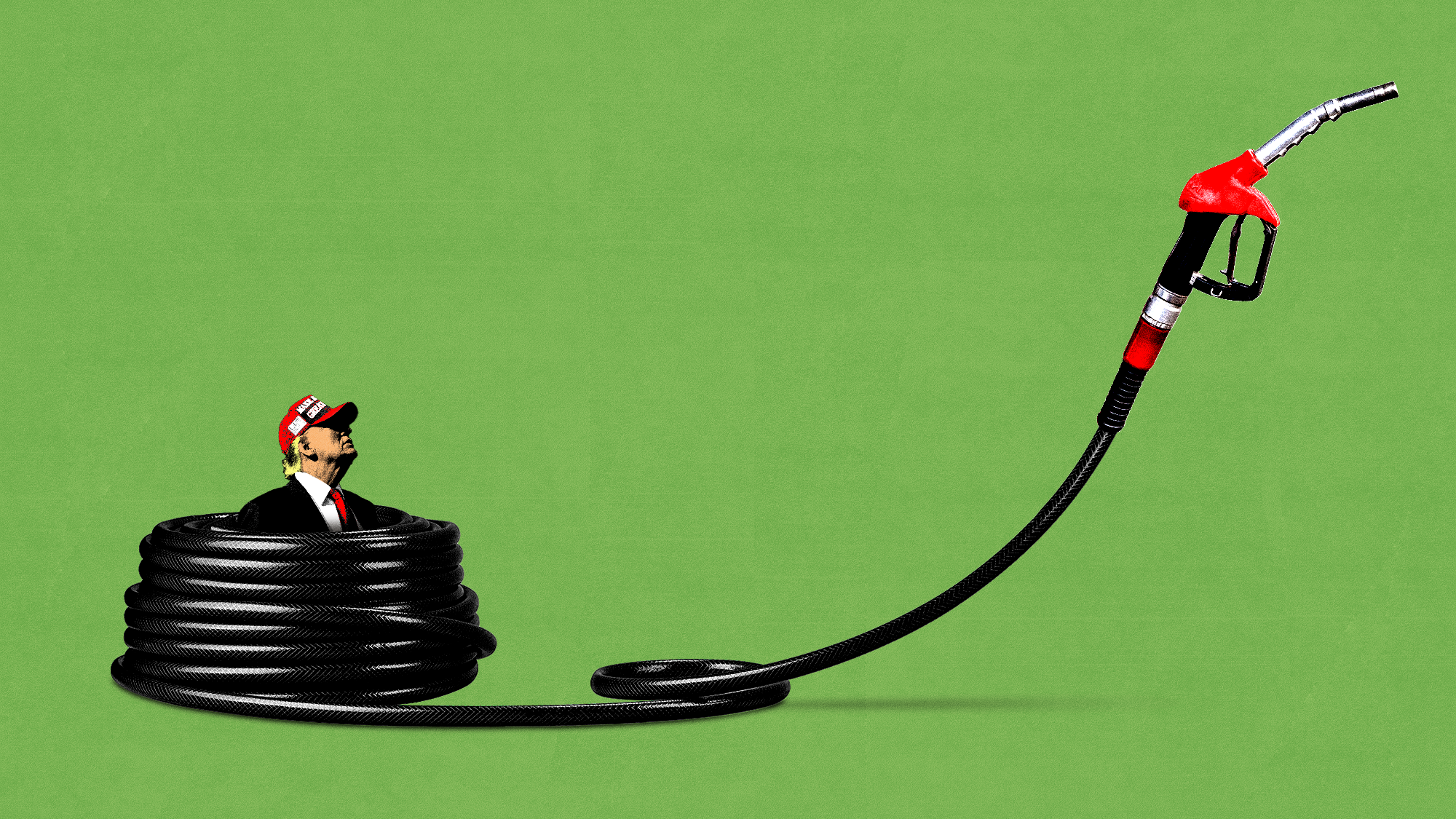
The escalating cost of gasoline is emerging as a critical factor that could influence the outcome of the upcoming midterm elections, potentially impacting the Republican party's electoral prospects. While voters generally acknowledge that presidential actions do not directly dictate global oil prices, the current administration's policies and the geopolitical landscape have converged to create a situation where the president's influence on energy costs is perceived as more direct than in previous cycles. This perception is particularly potent among a significant portion of the electorate, who are experiencing the financial strain of higher fuel expenses at the pump. The average price for a gallon of regular unleaded gasoline in the United States has seen a notable increase, reaching approximately $4.80 in early June 2022, a figure that represents a substantial jump from the $3.00 per gallon average observed a year prior. This surge in prices is attributed to a confluence of factors, including the ongoing conflict in Ukraine, which has disrupted global oil supply chains and led to increased crude oil prices, and domestic production levels that have not kept pace with recovering demand following the COVID-19 pandemic. The Biden administration has implemented various measures aimed at alleviating the pressure on energy markets, such as releasing oil from the Strategic Petroleum Reserve and engaging in diplomatic efforts to encourage increased production from oil-producing nations. However, the impact of these measures has been limited in curbing the upward trend of gas prices. Political analysts suggest that the issue of gas prices could become a defining narrative of the midterm elections, potentially overshadowing other policy debates. Historically, economic concerns, particularly those directly affecting household budgets like energy costs, have played a pivotal role in shaping voter sentiment and influencing election results. The Republican party is expected to leverage voter dissatisfaction over inflation and gas prices as a key campaign theme, aiming to capitalize on the economic anxieties of the electorate. Conversely, the Democratic party faces the challenge of defending its economic record and convincing voters that the administration is effectively addressing the issue. The extent to which voters attribute the current gas price situation to the current administration's policies, rather than broader global economic forces, will be a crucial determinant of the electoral impact. Polling data from various sources indicates that a majority of Americans view the rising cost of gas as a significant personal concern, with many reporting that it is affecting their daily spending habits and overall financial well-being. This widespread concern suggests that the issue is likely to remain at the forefront of voter consciousness as the election approaches, potentially leading to a significant electoral backlash against the incumbent party if no substantial relief is perceived by the electorate.
Original source — read the full reporting at the publisher:
Read on The AtlanticGet the weekly AI digest
AI news + new model releases, weekly. Drafted by our agents, reviewed by humans.