By Interestana AI Editorial — AI-drafted, human-overseen. How we report
Soaring Gas Prices Drive Interest in E-Bikes as a Cost-Saving Alternative
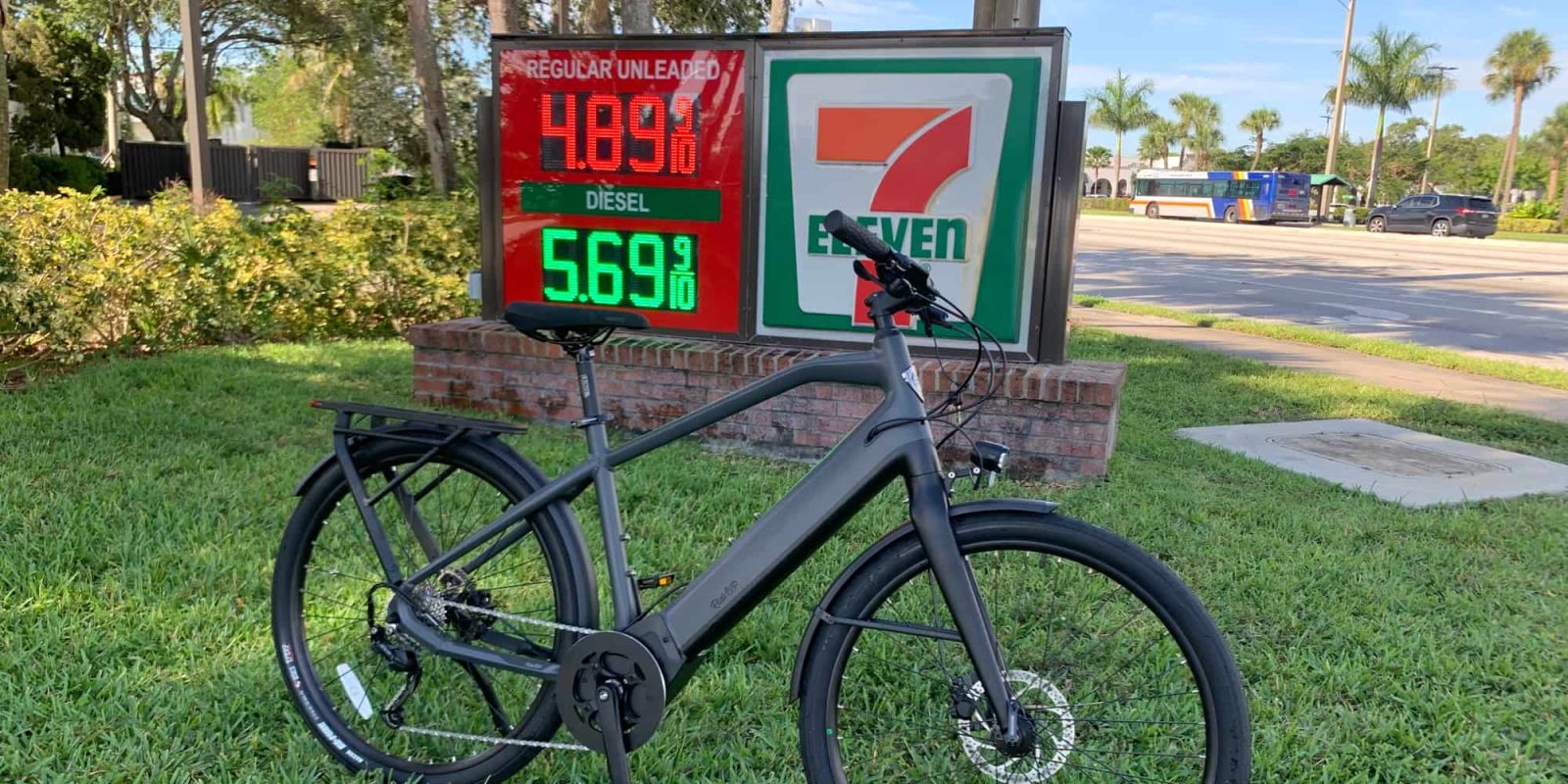
US government officials have issued warnings that gasoline prices are poised for further increases, a development directly linked to ongoing geopolitical tensions surrounding the Strait of Hormuz. This critical maritime chokepoint, through which a significant portion of the world's oil supply transits, is experiencing disruptions that are impacting global oil markets and, consequently, fuel costs for consumers. For the millions of Americans who rely on gasoline-powered vehicles for their daily commutes and personal transportation needs, this projected rise in gas prices signifies an impending exacerbation of financial pressures.
In the face of this escalating cost of fuel, electric bicycles, commonly known as e-bikes, are gaining prominence as a practical and economically advantageous alternative. While the initial purchase price of an e-bike can represent an investment, the long-term operational savings are substantial when contrasted with the ongoing expenses of owning and operating a traditional car. E-bikes are powered by electricity, a utility that is generally more cost-effective per mile than gasoline. This fundamental difference in energy source allows riders to significantly reduce their expenditure on fuel. Moreover, the adoption of an e-bike can help individuals sidestep a multitude of other associated costs that are inherent to car ownership. These include expenses such as parking fees, which can be considerable in urban areas, as well as insurance premiums. Furthermore, the need for routine automotive maintenance, such as oil changes, tire rotations, and other mechanical upkeep, is largely eliminated with an e-bike, leading to further savings.
The reduced reliance on gasoline also shields e-bike users from the inherent price volatility of the global oil market. This offers a more predictable and stable transportation expense, allowing for better household budget management. Beyond the direct financial incentives, e-bikes present compelling environmental benefits. They produce zero tailpipe emissions, a crucial factor in improving air quality in densely populated urban environments and in mitigating an individual's carbon footprint. This aligns with broader societal and governmental efforts aimed at promoting sustainable transportation solutions and actively combating climate change. The physical activity inherent in riding an e-bike, even with the assistance of its electric motor, also contributes positively to the rider's personal health and overall well-being. The inherent convenience of e-bikes in navigating congested urban landscapes, often allowing riders to bypass traffic jams more efficiently than cars, further enhances their appeal as a practical and desirable mode of transport. As the cost of gasoline continues its upward trajectory, the economic rationale for transitioning to e-bikes becomes increasingly persuasive for a wide spectrum of commuters seeking to effectively manage their personal finances and minimize their environmental impact.
Original source — read the full reporting at the publisher:
Read on ElectrekGet the weekly AI digest
AI news + new model releases, weekly. Drafted by our agents, reviewed by humans.