By Interestana AI Editorial — AI-drafted, human-overseen. How we report
Gas Cars Fall Below 50% of Global New Vehicle Sales
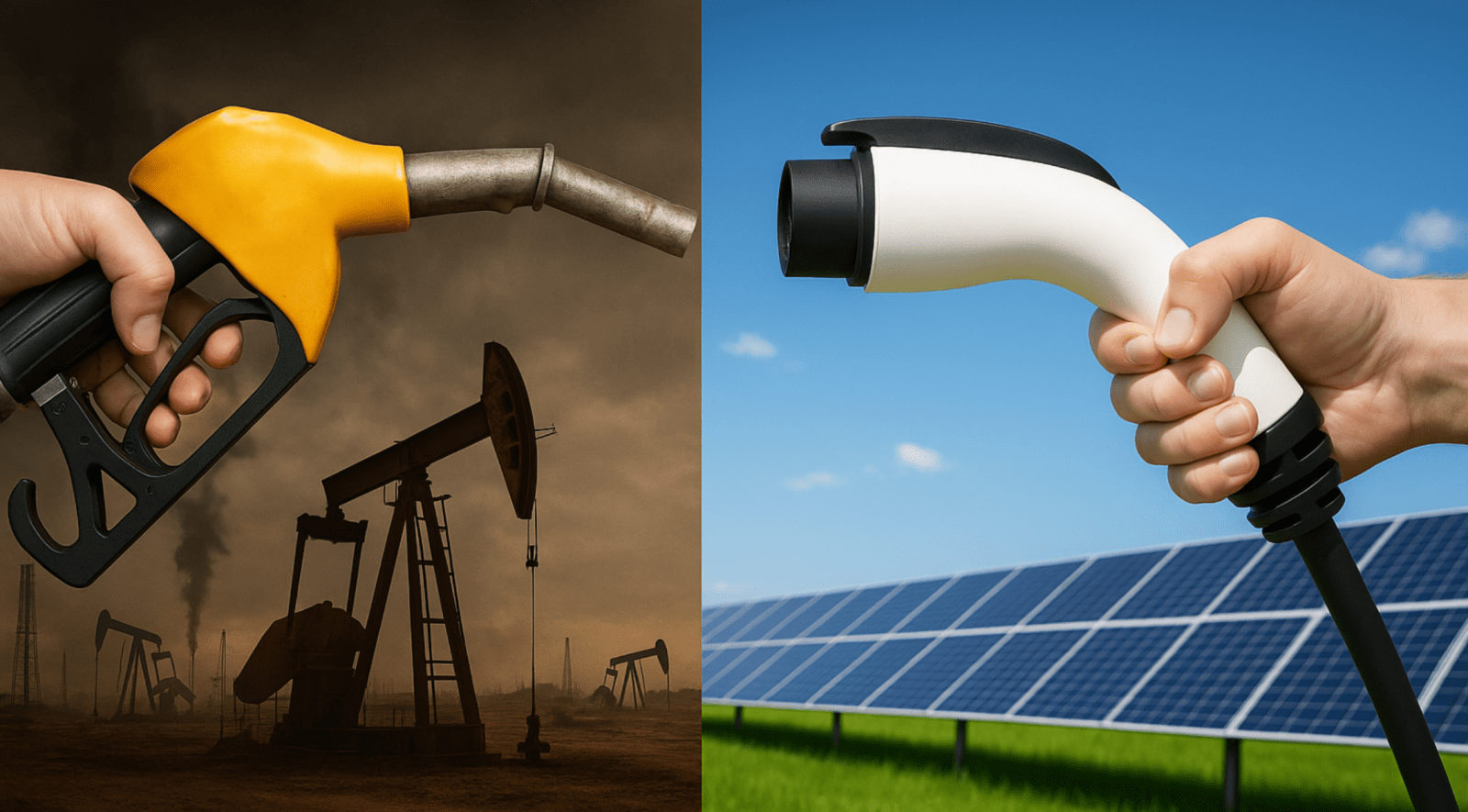
Gasoline-only vehicles constituted 49% of global new vehicle sales during the first half of 2026, marking a significant milestone as it represents the first time on record that these vehicles have fallen below the 50% threshold. This data, compiled by Mobility Global and initially reported by Nikkei, indicates a substantial decline from 73% of global new-vehicle sales in 2021. Despite this shift, the majority of vehicles replacing gasoline-only cars still incorporate a gasoline tank, suggesting a transitional phase in the automotive market rather than a complete move to zero-emission powertrains.
The automotive industry's transition away from pure internal combustion engine (ICE) vehicles has been accelerating, driven by a combination of regulatory pressures, evolving consumer preferences, and advancements in alternative fuel technologies. While the data shows a decrease in the market share of gasoline-only cars, the continued presence of gasoline tanks in the remaining 51% of sales highlights the ongoing prevalence of hybrid vehicles and plug-in hybrids. These vehicles, while offering improved fuel efficiency and reduced emissions compared to traditional ICE cars, still rely on gasoline as a primary or secondary fuel source.
This trend reflects a broader global movement towards electrification and reduced reliance on fossil fuels in transportation. Governments worldwide have implemented policies such as emissions standards, subsidies for electric vehicles (EVs), and bans on the sale of new ICE vehicles in the coming decades. These initiatives are encouraging automakers to invest heavily in EV research and development, leading to a wider array of electric models available to consumers. The increasing adoption of EVs, alongside hybrids and plug-in hybrids, is reshaping the automotive landscape and contributing to efforts to combat climate change by reducing greenhouse gas emissions from the transport sector.
The shift in sales figures also has implications for the energy sector, infrastructure development, and the global economy. As the proportion of electric and hybrid vehicles grows, demand for charging infrastructure, battery production, and renewable energy sources is expected to rise. The automotive industry is undergoing a profound transformation, with significant investments being made in new manufacturing processes and supply chains to support the production of next-generation vehicles. The data from Mobility Global underscores the ongoing evolution of personal mobility and the gradual but persistent move away from a sole reliance on gasoline-powered automobiles.
Original source — read the full reporting at the publisher:
Read on ElectrekGet the weekly AI digest
AI news + new model releases, weekly. Drafted by our agents, reviewed by humans.