By Interestana AI Editorial — AI-drafted, human-overseen. How we report
Global Gas Car Sales Drop Below 50% For First Time
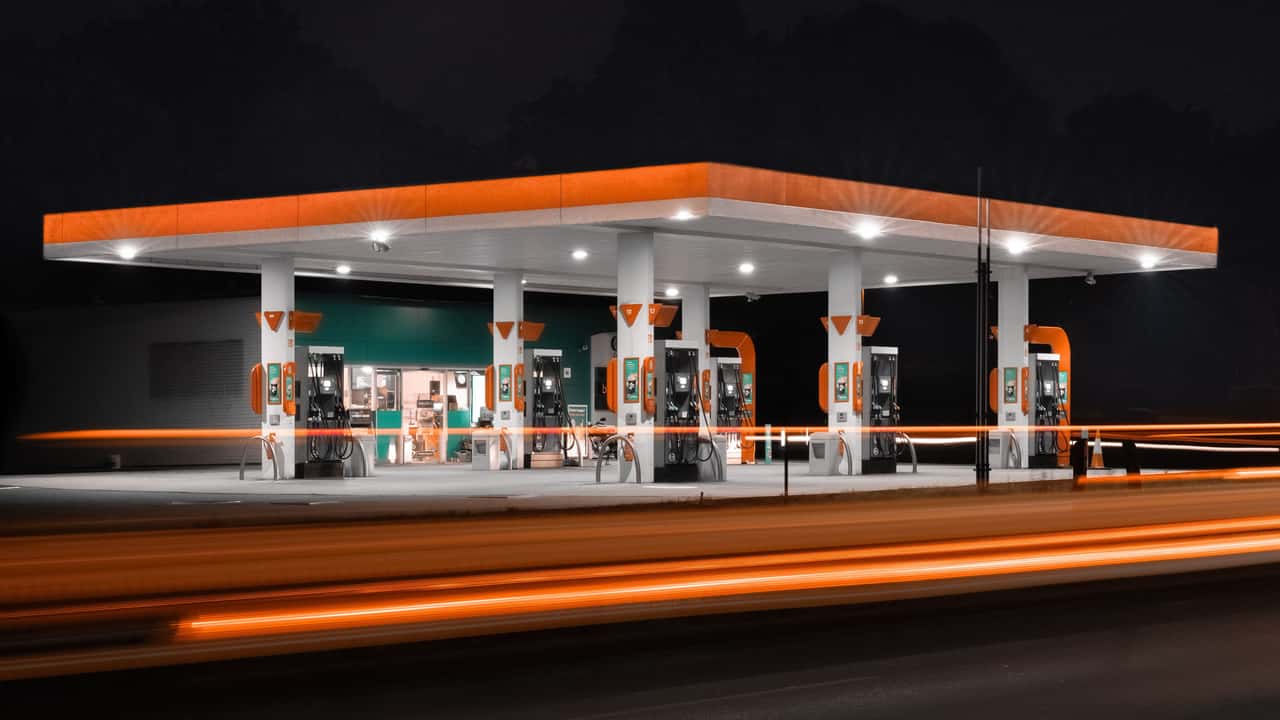
Global sales of new gasoline-powered cars have fallen below 50% of the total market share for the first time since the 1920s, marking a significant shift in the automotive industry. This decline indicates a sustained trend away from internal combustion engine vehicles, with electric vehicles (EVs) poised to capture an increasing portion of the market. While specific figures for the exact percentage of gas car sales were not provided, the statement signifies a historical low point for traditional powertrains.
The automotive landscape has been undergoing a profound transformation, driven by environmental concerns, technological advancements, and evolving consumer preferences. The rise of electric vehicles, supported by government incentives and expanding charging infrastructure, has accelerated this transition. Experts have projected that electric cars could dominate the market by 2030, a forecast that gains credibility with the latest sales data showing the diminishing share of gasoline vehicles. This shift is not confined to a single region but represents a global phenomenon, impacting manufacturers worldwide.
Manufacturers are responding to this evolving market by increasing investment in EV research and development, retooling factories, and expanding their electric model lineups. The challenge for many legacy automakers lies in managing the transition from established internal combustion engine production to the new era of electric mobility. This involves significant capital expenditure, workforce retraining, and supply chain adjustments. The declining sales of gas cars put pressure on companies that have historically relied on these vehicles for the majority of their revenue.
The implications of this trend extend beyond the automotive industry. A substantial reduction in gasoline car sales will impact the oil and gas sector, potentially leading to decreased demand for fossil fuels. Furthermore, it signals a broader societal move towards sustainability and reduced carbon emissions. The automotive industry's historical reliance on gasoline engines has been a major contributor to global carbon footprints, and this shift represents a critical step towards mitigating climate change. The continued growth of EVs is expected to further solidify this trend in the coming years, reshaping not only transportation but also energy consumption patterns globally.
Original source — read the full reporting at the publisher:
Read on InsideEVsGet the weekly AI digest
AI news + new model releases, weekly. Drafted by our agents, reviewed by humans.