By Interestana AI Editorial — AI-drafted, human-overseen. How we report
August Sturgeon Moon Upstaged by Near-Total Lunar Eclipse
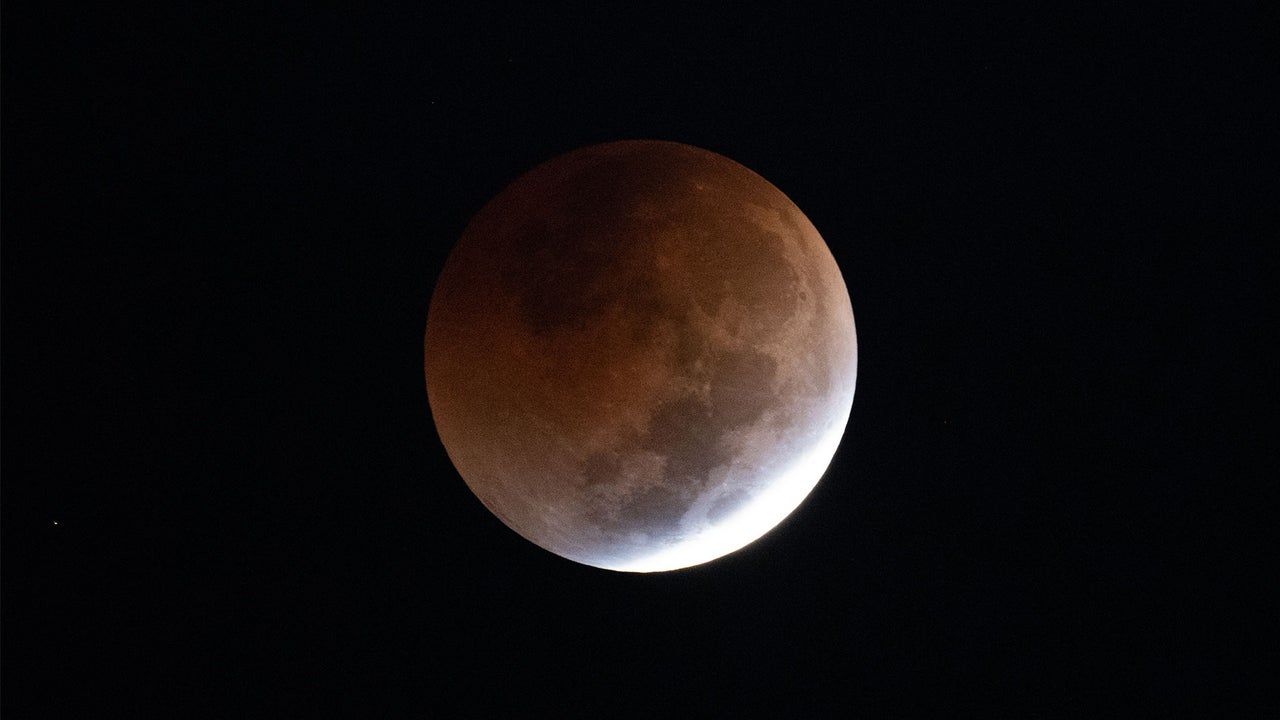
The night sky will feature a dramatic celestial event as the August Sturgeon Moon coincides with an almost total lunar eclipse on the night of Thursday, August 27, extending into Friday, August 28, 2026. This astronomical spectacle will be visible to observers across most of the Americas, excluding Alaska and northwestern Canada, as well as in Western Europe and West Africa. The event promises a near-complete obscuration of the moon, creating a striking visual experience for stargazers.
The full moon in August is traditionally known as the Sturgeon Moon, a name derived from natural world observations and Native American traditions, as documented by publications like The Farmer's Almanac. This moniker honors the lake sturgeon, a species abundant in the Great Lakes and other freshwater bodies, which were historically easier to catch in shallower waters during the late summer months. Alternative names for the August full moon include the Green Corn Moon and the Grain Moon, reflecting seasonal agricultural activities and harvests.
A lunar eclipse occurs when the Earth aligns directly between the sun and the moon, casting a shadow upon the lunar surface. This alignment can only happen during a full moon phase. The darkest part of this shadow is known as the umbra. According to NASA, the upcoming eclipse will see approximately 96.3% of the moon obscured by the Earth's shadow, making it a near-total lunar eclipse. While not a complete obscuration, this high percentage will create a profound visual effect, significantly dimming the moon's usual brightness and potentially imparting a reddish hue.
The partial lunar eclipse is scheduled to commence at 10:34 p.m. Eastern Time on Thursday, August 27. The Earth's shadow will gradually traverse the moon's disk over several hours. The eclipse will reach its peak intensity at 12:13 a.m. ET on Friday, August 28. Coincidentally, the full moon itself will reach its peak illumination just minutes later, at 12:18 a.m. ET, as reported by the Old Farmer's Almanac. Unlike solar eclipses, lunar eclipses are safe to observe directly with the naked eye. Enhancing the viewing experience can be achieved with optical aids such as binoculars or telescopes. For optimal viewing, it is recommended to find a location with an unobstructed horizon, free from tall trees and buildings that could impede the view of the celestial event.
Original source — read the full reporting at the publisher:
Read on Fast CompanyGet the weekly AI digest
AI news + new model releases, weekly. Drafted by our agents, reviewed by humans.