Oil Companies Profit Amid Escalating Climate Crisis
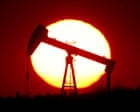
Despite overwhelming scientific consensus that burning fossil fuels drives the climate crisis, the world's largest oil companies are planning to increase production. This strategy is occurring as the Northern Hemisphere experiences record-breaking heat domes, with temperatures consistently smashing previous records. The escalating heat has led to severe consequences, including children dying in locked cars and hospitals being overwhelmed with heatstroke victims, while emergency services grapple with widespread wildfires.
The juxtaposition of these dangerous climate impacts with the planned expansion of fossil fuel production raises critical questions about corporate responsibility and accountability. The article highlights that while the planet faces increasingly perilous heat, oil companies appear poised to profit further from the very activities contributing to the crisis. This situation prompts scrutiny into why these companies are not being held financially responsible for the escalating environmental damage and the societal costs associated with extreme weather events.
The ongoing global heatwaves, characterized by dangerous heat domes and record-shattering temperatures, underscore the urgency of the climate crisis. The human toll is significant, with reports of fatalities and a surge in heat-related illnesses requiring urgent medical attention. Simultaneously, the increased frequency and intensity of wildfires present another stark manifestation of a warming planet. These events are directly linked by scientific consensus to the continued reliance on and production of fossil fuels.
In this context, the strategic decisions by major oil corporations to ramp up production are particularly contentious. The expectation is that these companies will continue to generate substantial profits while the world grapples with the devastating consequences of climate change. The article implicitly questions the regulatory and economic frameworks that permit such actions, suggesting a need for greater accountability and a shift away from fossil fuel dependency.
Original source — read the full reporting at the publisher:
Read on The Guardian Environment