By Interestana AI Editorial — AI-drafted, human-overseen. How we report
Fruit Flies Retain Larval Diet Memory, Affecting Longevity
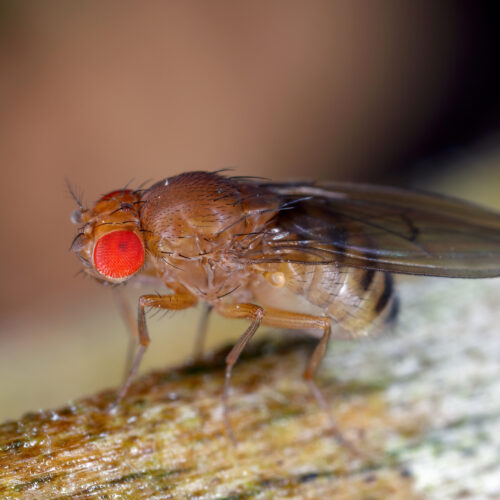
Scientists have discovered a mechanism by which fruit flies retain a memory of their larval diet, a factor that significantly influences their adult longevity. This finding builds upon earlier observations from the 1930s, which noted that water fleas and rats subjected to dietary restrictions during their youth exhibited extended lifespans. Similar effects have since been documented in fruit flies and mice, but the precise biological pathway connecting early nutrition to long-term health remained elusive until now.
A recent study published in Nature, led by biologist Fumiaki Obata at the RIKEN Center for Biosystems Dynamics Research in Kobe, Japan, has identified a specific protein responsible for carrying this dietary record from the larval stage into adulthood. This protein's presence and function appear to directly impact the lifespan of the adult fruit flies. The research involved manipulating the diet of fruit fly larvae, specifically by reducing the concentration of yeast, which serves as their primary protein source. The standard laboratory diet for fruit flies consists of a mixture of yeast and sugar, with yeast providing essential proteins.
In the experiments conducted by Obata's team, the yeast concentration in the larval diet was decreased from a standard eight percent to either one or two percent. This restricted, low-protein diet was administered during the latter half of the larval period. Following this critical developmental phase, the fruit flies were transitioned back to a standard diet once they emerged as adults from their pupal stage. The researchers then observed the subsequent health and lifespan of these flies to assess the long-term consequences of their early nutritional experience. The study's findings suggest that the dietary history during larval development is not merely a transient influence but is encoded in a way that has lasting effects on the organism's physiology and lifespan.
The identified protein acts as a molecular archive, preserving information about the nutritional conditions experienced during a crucial developmental window. This stored information then modulates gene expression or metabolic pathways in the adult fly, ultimately affecting its overall health and how long it lives. While the study focused on fruit flies (Drosophila melanogaster), a common model organism in biological research due to its genetic tractability and relatively short lifespan, the principles uncovered may have broader implications for understanding the long-term health impacts of early nutrition in other species, including humans. Further research will likely explore the specific molecular mechanisms by which this protein influences longevity and whether similar mechanisms exist in other animals.
Original source — read the full reporting at the publisher:
Read on Ars TechnicaGet the weekly AI digest
AI news + new model releases, weekly. Drafted by our agents, reviewed by humans.