By Interestana AI Editorial — AI-drafted, human-overseen. How we report
Europe's Heatwaves Cost EU Economy €180 Billion
Europe's prolonged summer heatwaves have inflicted substantial economic costs across the continent, impacting various sectors from freight transport to energy generation and overall productivity. Economists at the Dutch bank Triodos estimate that the cumulative effect of these extreme weather events could reduce the European Union's Gross Domestic Product (GDP) by as much as €180 billion. This figure highlights the broad economic repercussions of sustained high temperatures, which disrupt normal economic activities and strain infrastructure. In the United Kingdom, the economic toll by the end of July had already reached an estimated £4.4 billion, according to the green thinktank Verdant. This loss is attributed to reduced output across various industries that are sensitive to heat, affecting worker productivity and operational capacity.
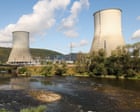
The impact on critical infrastructure has been particularly severe. In Germany, low river levels due to the heat have significantly hampered freight traffic on major waterways, disrupting supply chains and increasing logistical costs for businesses reliant on river transport. The Rhine River, a crucial artery for German industry, experienced critically low water levels, forcing a reduction in the capacity of cargo ships and leading to delays and increased expenses. Simultaneously, France has been compelled to shut down several nuclear power plants. These closures were a direct consequence of the elevated temperatures of river water, which is used for cooling the reactors. The inability to use river water at sufficient volumes or temperatures to safely operate the plants led to a reduction in electricity generation capacity, potentially impacting energy supply and prices across the country and neighboring regions.
Beyond infrastructure and energy, the heatwaves have directly affected labor productivity. Workers across mainland Europe have struggled with the extreme heat, leading to reduced efficiency and, in some sectors, temporary work stoppages to ensure employee safety. This decline in productivity contributes to the overall economic losses estimated by Triodos and Verdant. Furthermore, the tourism sector, a significant contributor to many European economies, has faced challenges. While some destinations might see a short-term boost, prolonged extreme heat can deter visitors, impact outdoor activities, and strain resources like water and energy, leading to indirect economic consequences. Wildfires, often exacerbated by dry and hot conditions, have also necessitated significant resource allocation for firefighting and recovery efforts, diverting funds and personnel from other economic activities and causing damage to property and natural resources.
The Triodos analysis underscores the multifaceted nature of the economic damage. It is not solely about direct losses from disrupted operations but also includes the costs associated with adaptation and mitigation measures, potential increases in energy consumption for cooling, and the long-term implications for sectors like agriculture, which are highly vulnerable to climate fluctuations. The £4.4 billion figure for the UK, as reported by Verdant, specifically points to lost output by the end of July, indicating that the economic consequences are ongoing and cumulative throughout the summer period. These figures provide a concrete measure of the financial burden imposed by climate change-induced extreme weather events on developed economies.
Original source — read the full reporting at the publisher:
Read on The Guardian EnvironmentGet the weekly AI digest
AI news + new model releases, weekly. Drafted by our agents, reviewed by humans.