By Interestana AI Editorial — AI-drafted, human-overseen. How we report
Connected Irrigation Systems Automate Outdoor Watering
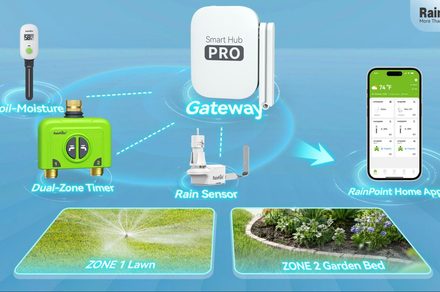
Traditional lawn and garden watering systems have long relied on fixed timers, a method that often leads to inefficient water usage by not accounting for actual environmental conditions. Connected irrigation systems represent a significant advancement, aiming to overcome this limitation by merging the functionality of timers with the intelligence of environmental sensors and centralized software platforms. This integration allows for a more dynamic and responsive approach to outdoor automation.
One illustrative example of this technological evolution is RainPoint's smart garden system. This system demonstrates how manufacturers are interconnecting various components, including timers, environmental sensors, and cloud-based software, to create a cohesive and intelligent watering solution. The core principle involves gathering real-time data from sensors that monitor factors such as soil moisture levels, ambient temperature, and humidity. This data is then processed by the centralized software, which can be accessed and controlled via a mobile application or web interface. Based on this analysis, the system can make informed decisions about when and how much to water, deviating from pre-set schedules when conditions do not warrant it.
The benefits of such connected systems extend beyond mere convenience. By precisely matching watering schedules to the actual needs of plants and soil, these systems can significantly reduce water consumption. This is particularly crucial in regions facing water scarcity or during periods of drought, where conservation efforts are paramount. Furthermore, optimized watering can lead to healthier plant growth, as it prevents both under-watering, which stresses plants, and over-watering, which can lead to root rot and fungal diseases. The ability to remotely monitor and control irrigation systems also provides homeowners with greater flexibility and peace of mind, allowing them to manage their outdoor spaces even when away from home.
The development of connected irrigation systems is part of a broader trend towards the Internet of Things (IoT) in home automation and smart city initiatives. As sensor technology becomes more affordable and sophisticated, and as connectivity becomes more ubiquitous, the capabilities of these systems are expected to expand further. Future iterations might incorporate advanced weather forecasting data, integrate with smart home ecosystems for coordinated energy and water management, or even utilize AI to learn and adapt watering patterns over time based on plant species and growth stages. This evolution signals a shift from simple timed automation to truly intelligent, data-driven outdoor environment management, contributing to both resource conservation and enhanced landscape aesthetics.
Original source — read the full reporting at the publisher:
Read on Digital TrendsGet the weekly AI digest
AI news + new model releases, weekly. Drafted by our agents, reviewed by humans.