By Interestana AI Editorial — AI-drafted, human-overseen. How we report
Luxury Brands Drive $67 Billion Boom in Branded Residences
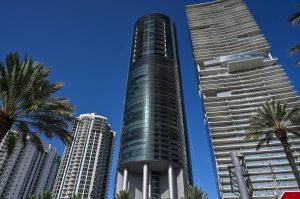
The luxury real estate market is experiencing a significant boom in "branded residences," a segment valued at $67 billion, where high-end brands partner with developers to design apartment buildings. These developments go beyond traditional housing, offering residents an immersive "3D brand experience." An example of this trend is the Porsche Design Tower in Sunny Isles Beach, Florida. This 644-foot high-rise features 132 condos, with prices reaching up to $47.5 million. The building's design, characterized by sleek metallic exteriors and curved glass balconies, reflects the aesthetics of Porsche engineering. A unique feature is the "Dezervator," a cylindrical glass elevator that transports residents and their vehicles directly to private sky garages attached to their apartments, allowing cars to be displayed behind glass walls visible from the living rooms. This innovative approach to car storage highlights the experiential nature of these residences. The phenomenon extends to other luxury brands, such as Aston Martin, which has its own residences overlooking Biscayne Bay in Miami, and Fendi, with apartments in Dubai. These brands, traditionally associated with sports cars, couture, and fine jewelry, are now extending their influence into the property market. According to Riyan Itani, founder of Global Branded Residences, these standalone residential projects offer brands a strategic avenue for geographical expansion without the extensive operational commitments typically associated with hotel development, while simultaneously generating an additional revenue stream. Markus Schreyer, a branding expert at Vanderbilt University, notes that luxury brands perceive real estate as the "next frontier of brand immersion." He explains that these labels are evolving from merely selling tangible products like fashion, watches, or cars to offering consumers access to exclusive communities and distinct aesthetic lifestyles. This shift signifies a broader trend where luxury brands are curating entire living experiences, integrating their brand identity into the very fabric of residential living. The appeal lies in offering a lifestyle that is aspirational and exclusive, directly tied to the prestige and design philosophy of the associated brand. The growth in this sector indicates a strong consumer demand for integrated luxury experiences that extend beyond product ownership into the realm of personal living spaces. The model allows brands to maintain control over their image and customer engagement in a new, high-value market segment.
Original source — read the full reporting at the publisher:
Read on FortuneGet the weekly AI digest
AI news + new model releases, weekly. Drafted by our agents, reviewed by humans.