By Interestana AI Editorial — AI-drafted, human-overseen. How we report
Museums License Collections for Hotel Suites and VR to Boost Revenue
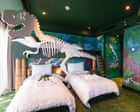
Museums are increasingly turning to licensing deals to generate revenue and offset rising operational costs, moving beyond traditional merchandise like t-shirts to encompass luxury hotel suites, fashion items, and immersive virtual reality experiences. The Natural History Museum, for instance, has partnered with the Park Plaza London Riverbank hotel to offer a family suite priced from £724. This suite's interior design is inspired by the museum's founder, Sir Richard Owen, and features Tyrannosaurus rex bunk beds, offering visitors a unique overnight experience connected to the institution's collections. This initiative represents a significant departure from conventional museum fundraising, aiming to attract a broader audience and create new revenue streams.
Similarly, the British Museum is exploring innovative licensing opportunities. While specific details of their current partnerships are not elaborated, the trend indicates a strategic shift towards leveraging their vast collections and exhibitions in novel ways. These collaborations allow museums to extend their brand and reach into the commercial sector, generating income that can be reinvested into conservation, research, and public programming. The appeal of these deals lies in the inherent cultural capital and public recognition associated with renowned institutions, making their intellectual property valuable for commercial partners seeking to enhance their own offerings with an element of prestige and educational value.
The broader context for this trend is the escalating operational expenses faced by cultural institutions, many of which are free to enter for the public. The financial pressures necessitate creative solutions to ensure sustainability and continued access. By licensing their brand and intellectual property, museums can tap into markets that may not typically engage with traditional museum offerings, such as the luxury hospitality sector or the burgeoning virtual reality industry. These licensing agreements typically involve a royalty or fee paid by the commercial partner to the museum, based on sales or usage of the licensed content or brand elements. The success of such ventures depends on careful selection of partners and ensuring that the collaborations align with the museum's mission and values, thereby maintaining the integrity of the institution's reputation while exploring new avenues for financial growth and public engagement.
This strategic pivot towards commercial licensing is not merely about generating income; it is also about reimagining how cultural heritage can be experienced and appreciated in the 21st century. By integrating museum-inspired elements into everyday life, from hotel stays to digital experiences, these institutions are fostering a deeper connection with the public. The Park Plaza London Riverbank's Natural History Museum suite, for example, provides a tangible, albeit premium, way for families to engage with natural history outside the museum walls. The potential for virtual reality experiences further broadens accessibility, allowing individuals to explore museum collections and historical sites remotely, offering educational and entertaining content that can be monetized. This diversification of revenue streams is crucial for the long-term viability of cultural institutions in an increasingly competitive and economically challenging landscape.
Original source — read the full reporting at the publisher:
Read on The Guardian WorldGet the weekly AI digest
AI news + new model releases, weekly. Drafted by our agents, reviewed by humans.