By Interestana AI Editorial — AI-drafted, human-overseen. How we report
EU Grapples With Russian Sabotage After German Airport Drone Attack
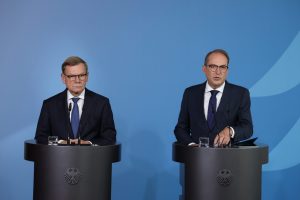
The European Union is confronting a growing wave of suspected Russian sabotage incidents, with a recent attempted drone attack at Leipzig/Halle Airport in Germany serving as a new benchmark for the bloc's security challenges. German authorities stated on Tuesday that Russia was responsible for the Aug. 4 incident, which involved a drone laden with explosives found near a Ukrainian cargo plane. The device was successfully defused, and the airport, a significant international freight hub vital for supporting Ukraine, was not significantly disrupted. This event has prompted discussions within the EU on how to effectively counter such actions without escalating to military conflict. EU foreign policy chief Kaja Kallas described the incident as bearing "all the hallmarks of state sponsored terrorism" and questioned the appropriate course of action during a meeting of the bloc's foreign ministers in Ireland. French Foreign Minister Jean-Noël Barrot indicated that France summoned Russia’s envoy to lodge a strong protest and is advocating for sanctions against more of Russia's "shadow fleet" ships, emphasizing that "We won’t allow an act of such gravity without consequences." The EU has already implemented extensive sanctions against Russia, including nearly two dozen packages targeting over 3,000 officials, oligarchs, and entities such as banks, energy companies, and drone manufacturers. Additional measures, including travel bans and asset freezes for another 1,600 individuals, were already in preparation, according to Kallas. The "shadow fleet" of hundreds of ships involved in illicit oil shipments to fund Russia's war effort has also been a target. While Russian diplomats have been routinely summoned and expelled across Europe, the core challenge for the EU remains finding effective retaliatory measures that do not risk direct confrontation with nuclear-armed Russia. Many EU member states, despite being NATO allies, are cautious about being drawn into open conflict. Germany has reiterated its stance that it is "not at war." This incident follows other suspected acts of sabotage across Europe, including a fire at a Polish drone factory, which has further amplified concerns about Russian interference and the need for a coordinated EU response to protect critical infrastructure and maintain stability. The multifaceted nature of these attacks, ranging from cyber operations to physical sabotage, necessitates a comprehensive strategy that balances deterrence with de-escalation, a complex geopolitical tightrope the EU is increasingly compelled to navigate.
Original source — read the full reporting at the publisher:
Read on FortuneGet the weekly AI digest
AI news + new model releases, weekly. Drafted by our agents, reviewed by humans.