By Interestana AI Editorial — AI-drafted, human-overseen. How we report
French Winemakers Forecast 30-Year Low Harvest
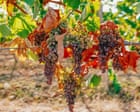
French winemakers are forecasting a 30-year low in wine production for the current year, a direct consequence of the country experiencing its hottest summer on record. This severe drought and persistent heatwaves have significantly impacted vineyard yields. Initial estimates released by the French agriculture ministry indicate that winemakers will produce just under 34 million hectoliters from this year's harvest. This figure represents a 6% decrease compared to last year's production and a substantial 17% reduction when measured against the average output from 2021 to 2025. The agricultural ministry's projections underscore the severity of the climate conditions affecting one of France's most iconic industries. Beyond the quantitative reduction in volume, winemakers are also expressing concerns about the qualitative impact on their produce. The prolonged dry spells and extreme temperatures have created conditions conducive to wildfires in various regions. The "smoke taint" from these wildfires, a phenomenon where smoke particles from fires are absorbed by grapevines, can impart undesirable flavors and aromas to the wine, potentially affecting its marketability and reputation. This dual threat of reduced quantity and compromised quality presents a significant challenge for the French wine sector, which is globally renowned for its diverse and high-quality offerings. The long-term implications of such extreme weather events are also a growing concern for the sustainability of French viticulture, which relies heavily on specific climatic conditions for its renowned varietals. The forecast of a 30-year low harvest highlights the immediate economic pressures on winemakers, who face reduced sales volumes and potential price adjustments. Furthermore, the agricultural ministry's data points to a broader trend of climate-induced challenges facing European agriculture, with similar concerns being voiced by producers in other wine-growing regions. The specific figure of 34 million hectoliters is a critical benchmark, illustrating the scale of the shortfall. The comparison to the 2021-2025 average of approximately 41 million hectoliters further emphasizes the magnitude of this year's decline. The ministry's detailed assessment will be crucial for understanding the full economic impact and for developing strategies to mitigate future risks. The potential for "smoke taint" adds another layer of complexity, as it is a less predictable and harder-to-quantify issue than simple yield reduction. Winemakers will need to conduct rigorous testing and potentially blend affected wines to salvage their reputation and product integrity. This situation underscores the vulnerability of traditional agricultural practices to the escalating impacts of climate change.
Original source — read the full reporting at the publisher:
Read on The Guardian WorldGet the weekly AI digest
AI news + new model releases, weekly. Drafted by our agents, reviewed by humans.