By Interestana AI Editorial — AI-drafted, human-overseen. How we report
France Battles 'Fire Whirlwinds' as Another 55,000 Evacuated Amidst Widespread Wildfires
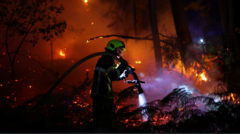
France is currently grappling with an unprecedented wildfire crisis, necessitating the evacuation of an additional 55,000 individuals from the most severely affected regions. This latest displacement significantly escalates the total number of people forced to flee wildfires across both France and Spain to over 340,000. The fires have proven exceptionally difficult to combat, with reports detailing the formation of "fire whirlwinds" – a phenomenon that dramatically accelerates and complicates containment efforts. These extreme atmospheric events, also referred to as fire devils or firenadoes, are characterized by rotating columns of air and fire. They emerge under specific atmospheric conditions, often fueled by intense heat and dry vegetation, creating a volatile and unpredictable fire behavior that poses a grave danger to both firefighters and nearby communities.
The sheer scale of these evacuations underscores the severity of the wildfire emergency gripping southwestern Europe. In France, the Gironde region, an area that endured devastating fires in July 2022, is once again at the epicenter of the crisis. This recurrence highlights the persistent vulnerability of certain areas to extreme fire events. The ongoing heatwaves and prolonged dry spells across the continent have created a tinderbox environment, transforming vast tracts of land into highly flammable zones. This has made large-scale wildfires an increasingly frequent and persistent threat. In response, firefighters from across France, alongside international partners, have been deployed in a concerted effort to bolster containment operations. Their tireless work is focused on protecting lives, property, and the invaluable natural landscapes.
The broader context of these escalating wildfires is inextricably linked to persistent high temperatures and extended periods of drought, conditions that are increasingly attributed to climate change. Scientific consensus points to a growing correlation between global warming and the intensification of extreme weather events, including heatwaves and wildfires. This necessitates a dual approach of adaptation strategies to cope with current impacts and mitigation efforts to curb future warming. The economic and environmental toll of these fires is substantial, impacting vital sectors such as tourism and agriculture, and causing irreversible damage to biodiversity. The long-term recovery for the affected areas will undoubtedly require significant financial investment and sustained, multi-faceted efforts to restore damaged ecosystems and rebuild devastated communities.
Authorities are issuing urgent appeals to residents in at-risk areas, urging them to remain vigilant and to adhere strictly to evacuation orders without delay. The complex and dynamic nature of controlling these blazes involves not only extensive ground crews but also critical aerial support, including specialized water-bombing aircraft. The situation remains fluid, with the potential for further evacuations and the continuous evolution of containment strategies as firefighters battle the exceptionally challenging conditions, including the aforementioned and particularly dangerous fire whirlwinds. The cumulative impact of these widespread and intense wildfire events across France and Spain represents one of the most significant and concerning wildfire seasons recorded in recent history.
Original source — read the full reporting at the publisher:
Read on BBC World NewsGet the weekly AI digest
AI news + new model releases, weekly. Drafted by our agents, reviewed by humans.