By Interestana AI Editorial — AI-drafted, human-overseen. How we report
Framework Laptop 13 Pro Review: Improved Battery, Higher Cost
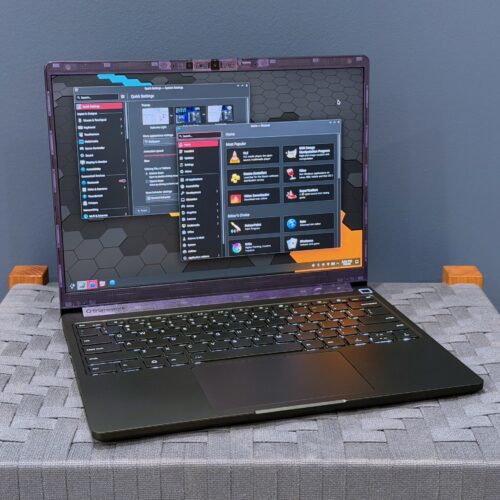
The Framework Laptop 13 Pro represents a substantial revision to the company's repairable and upgradeable laptop line, addressing a key historical weakness: battery life. While previous iterations of the Framework Laptop 13 made incremental design adjustments, the Pro model signifies a more significant overhaul, akin to a second-generation redesign. This evolution, however, introduces some backward compatibility issues, particularly affecting components like the bottom case, keyboard, trackpad, and the original 55 WHr and 61 WHr battery options. Framework's decision to implement these larger design changes has yielded notable improvements in battery performance and overall fit and finish, making it a more compelling option for users prioritizing endurance and a refined user experience.
Historically, the Framework Laptop 13 has been praised for its innovative modular design, allowing users to repair and upgrade components, distinguishing it from the trend of sealed ultraportables. Despite its commendable ethos, the original design suffered from mediocre battery life, a persistent drawback for many users. The new Laptop 13 Pro directly tackles this issue, promising extended usage times. The enhanced battery performance is a direct result of the more comprehensive design revisions undertaken by Framework, which also extend to a better general fit and finish, suggesting a more polished and robust final product.
This redesign, however, necessitates a departure from some previous components. Users upgrading from older Framework Laptop 13 models may find that certain parts, including the chassis, input devices, and older battery units, are no longer compatible. This strategic decision by Framework prioritizes the advancement of core functionalities like battery life and build quality over maintaining complete backward compatibility. The trade-off is a potentially higher cost of entry or upgrade, as indicated by the "much worse price" noted in the review's title, suggesting that the improved features come at a premium.
The Framework Laptop 13 Pro's development signifies a maturation of the company's product line. By allowing for more significant design changes, Framework has been able to make substantial progress in areas that were previously considered limitations. This approach positions the Laptop 13 Pro as a more competitive device in the laptop market, particularly for consumers who value longevity, repairability, and improved battery performance, even if it means a steeper price point and some component obsolescence for existing users.
Original source — read the full reporting at the publisher:
Read on Ars TechnicaGet the weekly AI digest
AI news + new model releases, weekly. Drafted by our agents, reviewed by humans.