By Interestana AI Editorial — AI-drafted, human-overseen. How we report
Former Fauci Adviser Pleads Guilty to Concealing Covid-19 Records
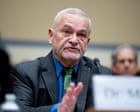
David Morens, a former senior official and adviser to Dr. Anthony Fauci at the National Institute of Allergy and Infectious Diseases (NIAID), pleaded guilty on Tuesday to a conspiracy charge. This plea, entered during a hearing in federal court in Greenbelt, Maryland, centers on his actions to evade public records laws and conceal government documents. The documents in question are linked to grant research funding and the Covid-19 pandemic. Morens's plea agreement acknowledges his role in obstructing justice by deleting and concealing records, including emails and files, that were subject to Freedom of Information Act (FOIA) requests. He admitted to using encrypted messaging applications and personal email accounts to discuss sensitive research, thereby attempting to shield these communications from public scrutiny. The conspiracy charge carries a maximum penalty of five years in prison and a $250,000 fine. His sentencing is scheduled for January 24, 2025. The case highlights the complexities and legal challenges surrounding the management and disclosure of government research data, particularly during public health emergencies. Morens's actions were investigated by the Department of Health and Human Services Office of Inspector General and the FBI. The investigation revealed a pattern of behavior aimed at preventing the release of information, which is a critical component of government transparency and accountability. The specific grant research funding mentioned in the plea relates to studies conducted during the early stages of the Covid-19 pandemic, a period of intense scientific inquiry and public interest. The concealment of these records raises questions about the integrity of the research process and the public's right to access information. Dr. Anthony Fauci, a prominent figure in public health and a former director of NIAID, has not been implicated in Morens's plea. The case underscores the importance of adhering to federal record-keeping and disclosure regulations, especially for individuals in positions of authority within government agencies. The federal court in Greenbelt, Maryland, will oversee the sentencing, where the judge will consider the evidence presented and the terms of the plea agreement. The maximum sentence reflects the seriousness of the charges, which involve obstructing governmental administration and violating public trust. The outcome of this case could have implications for how government officials handle sensitive research data and respond to FOIA requests in the future, reinforcing the need for strict compliance with legal and ethical standards.
Original source — read the full reporting at the publisher:
Read on The Guardian WorldGet the weekly AI digest
AI news + new model releases, weekly. Drafted by our agents, reviewed by humans.