By Interestana AI Editorial — AI-drafted, human-overseen. How we report
Indigenous Peoples Face Ongoing Conflict Beyond Armed Warfare
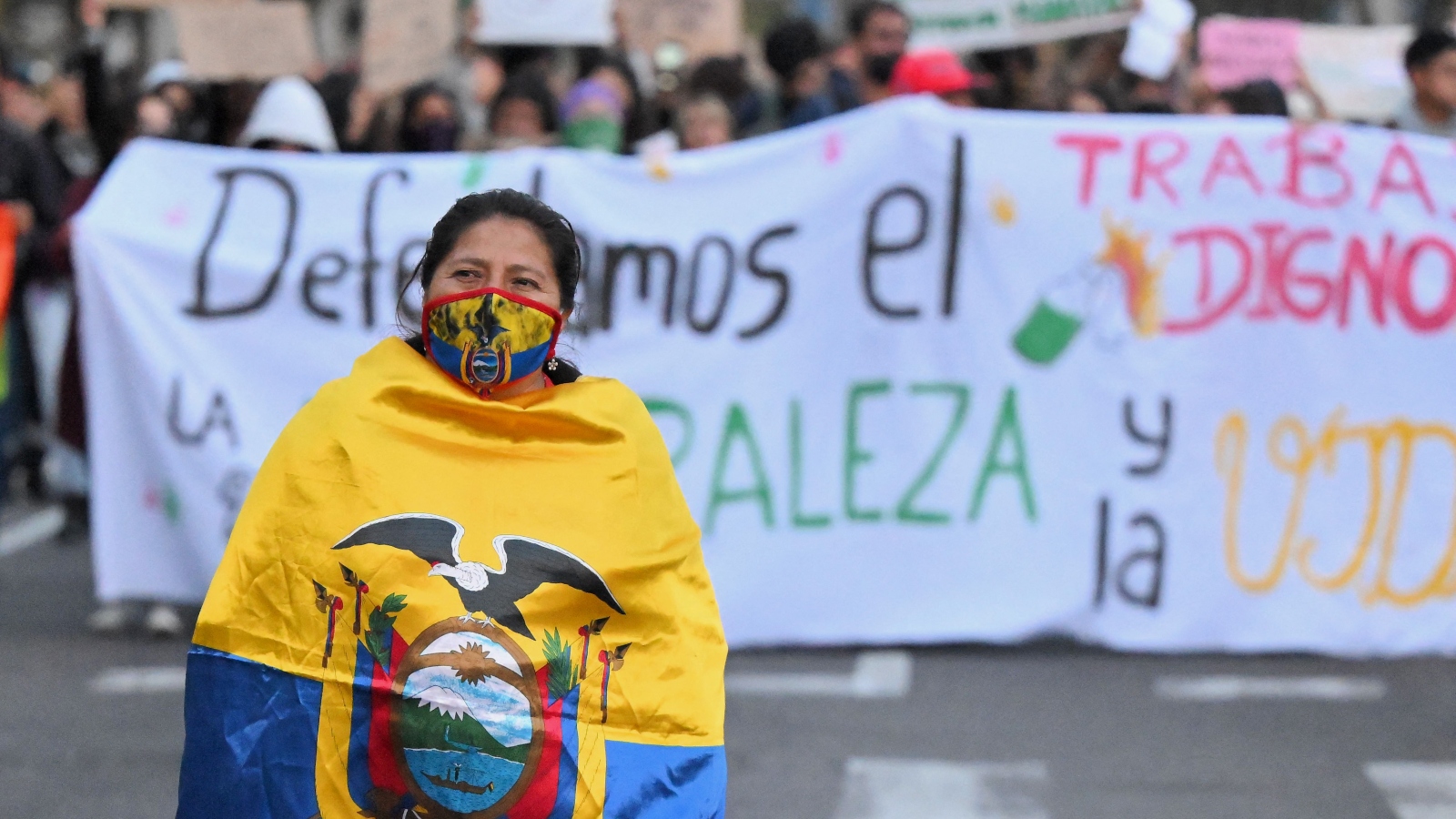
Indigenous peoples globally are confronting the enduring legacy of conflict, which extends far beyond armed warfare and into ongoing structural violence. In Guatemala, the 36-year civil war resulted in approximately 200,000 deaths and widespread atrocities, disproportionately affecting the Indigenous Maya population. The United Nations and Guatemala's truth commission identified state forces as committing acts of genocide. Despite the conflict's official end in 1996, Mayan leader Mario Simón Chávez stated that violence persists through state corruption, land dispossession, and attacks on self-determination.
Chávez articulated that true peace for Indigenous peoples is contingent upon the full respect of their collective rights, right to self-determination, and ancestral connection to their territories. This perspective highlights that for many Indigenous nations, colonization and its residual effects constitute a continuous state of warfare. These ongoing challenges are being brought to the United Nations Expert Mechanism on the Rights of Indigenous Peoples (EMRIP) in Geneva by Indigenous delegates this week.
Sidharto Reza Suryodipuro, president of the United Nations Human Rights Council, emphasized in opening remarks on Monday that Indigenous peoples often bear the most significant burden of conflicts they did not initiate. A draft study by EMRIP, compiled from over 80 submissions by Indigenous peoples and experts, underscores the necessity of understanding this persistent strife as more than just armed conflict. The study indicates that the impacts of colonization and systemic injustices continue to manifest as forms of ongoing conflict, affecting Indigenous communities' well-being and rights.
Original source — read the full reporting at the publisher:
Read on GristGet the weekly AI digest
AI news + new model releases, weekly. Drafted by our agents, reviewed by humans.