By Interestana AI Editorial — AI-drafted, human-overseen. How we report
Walmart's Debt-Free Pathways: A Six-Figure Future Without a College Degree for Gen Z
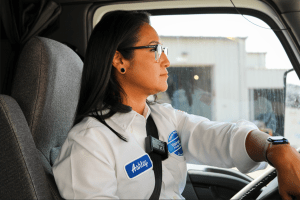
Walmart is strategically investing in its workforce by creating paid, debt-free training programs designed to elevate frontline associates into higher-paying roles, offering a compelling alternative to traditional higher education for Generation Z. This initiative directly confronts two significant challenges: the increasing anxiety among young people regarding student loan debt and a persistent labor shortage in essential skilled professions. The retail giant's commitment aims to provide a clear and financially accessible route to lucrative careers, bypassing the substantial costs and uncertainties associated with a college degree.
The flagship Associate to Driver program, launched in 2022, serves as a prime example of this forward-thinking approach. This program not only compensates eligible associates during their training but also fully funds their acquisition of a commercial driver's license (CDL). Upon completion, these individuals seamlessly transition into Walmart's extensive trucking fleet. The program's success is evident, with over 1,000 employees having already advanced into driving positions. According to Walmart, first-year drivers participating in this program can achieve annual earnings of up to $115,000, while more experienced drivers can command salaries of up to $135,000. This offers a tangible and substantial financial reward that rivals or exceeds many college graduate salaries, especially when factoring in the absence of student debt.
This corporate strategy directly addresses a pressing question facing countless high school graduates across the United States: how to navigate the escalating costs of higher education and the often-uncertain job market prospects that follow. The Education Data Initiative highlights the significant financial burden of a four-year degree, estimating the average total cost at $108,584. Betsy Mayotte, President and Founder of The Institute of Student Loan Advisors, a prominent organization dedicated to guiding individuals through the complexities of student financing, has observed a fundamental shift in educational priorities. She articulates that the era of pursuing "education for education's sake" is rapidly diminishing due to its prohibitive cost, emphasizing that "It's just not affordable." For a growing segment of the population, the concern is not merely the price tag of a degree but the fundamental accessibility of a quality education that is also financially viable.
Further underscoring this sentiment, a comprehensive report by Gallup and the Lumina Foundation reveals a stark reality: only one in four adults who do not possess a college degree believe that affordable, quality educational opportunities are genuinely accessible. Mayotte strongly advises prospective students to conduct a thorough cost-benefit analysis, urging them to weigh the substantial price of a degree against their projected post-graduation earnings. Her counsel is clear: "If the return on investment isn't there, then you need to find another path to get that degree to work in that profession." This pragmatic perspective illuminates the increasing appeal of vocational training and employer-sponsored programs, such as those championed by Walmart, as practical and financially sound pathways for younger generations seeking career advancement and long-term financial security.
Original source — read the full reporting at the publisher:
Read on FortuneGet the weekly AI digest
AI news + new model releases, weekly. Drafted by our agents, reviewed by humans.