By Interestana AI Editorial — AI-drafted, human-overseen. How we report
Food Stamp Enrollment Drops Sharply Amidst New Paperwork Demands
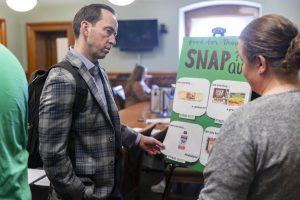
Enrollment in the Supplemental Nutrition Assistance Program (SNAP), the largest federal food aid program in the United States, has experienced a significant decline, dropping by more than 13% over a 12-month period. This decrease is steeper than government projections and is attributed to new provisions, including work requirements and increased administrative demands, stemming from legislation championed by President Donald Trump. Advocates suggest that individuals are losing coverage not only because they fail to meet the tightened eligibility criteria, such as work requirements, but also due to administrative complexities. These complexities include missing deadlines for submitting documentation or struggling to gather the necessary paperwork. It remains challenging to precisely quantify the number of individuals falling into each category, and the extent to which state agencies, tasked with implementing these changes, are overwhelmed also contributes to the unclear picture of coverage loss. Arizona has reported the most substantial enrollment drop nationwide, with a decline exceeding 50% over a 12-month span, according to data compiled by the U.S. Department of Agriculture, which oversees SNAP. Other states, including Georgia, Louisiana, and Nevada, have seen enrollment decrease by more than 20%. In Florida, the Department of Children and Families stated that the reduction in numbers reflects the state's emphasis on promoting opportunities for its residents. Tia Fields, a policy analyst at Invest in Louisiana, indicated that the primary driver for people losing SNAP benefits is not a failure to meet work requirements, but rather "administrative paperwork." This suggests that the process of maintaining eligibility has become more burdensome. Conversely, proponents of welfare reform, such as Rachel Sheffield, a research fellow at the conservative Heritage Foundation, view these reductions as a positive development. They hope that the decrease in enrollment signifies individuals earning sufficient income to no longer qualify for assistance, indicating that the policy changes are functioning as intended and potentially reducing program fraud. Sheffield stated that "If there are people that are leaving the welfare rolls because they’re working and they’re moving forward, that would be a step forward."
Original source — read the full reporting at the publisher:
Read on FortuneGet the weekly AI digest
AI news + new model releases, weekly. Drafted by our agents, reviewed by humans.