By Interestana AI Editorial — AI-drafted, human-overseen. How we report
China and US Cut Tariffs on $30 Billion of Goods
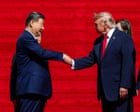
The United States and China have announced reciprocal tariff reductions on approximately $30 billion worth of goods each, marking a significant step away from the trade war that characterized much of the previous year. These tariff cuts encompass a wide array of products, including consumer electronics, agricultural goods, artificial flowers, and notably, live dolphins. The announcements, made by the world's two largest economies, indicate a strategic pivot in their trade relationship, though the specific timeline for these reductions remains unspecified. Crucially, the lists of goods targeted for tariff relief do not include major strategic products, suggesting that core areas of economic and technological competition remain subject to existing trade policies. This move represents a departure from the escalating tariffs and retaliatory measures that had previously strained bilateral trade relations, impacting global supply chains and economic stability. The previous trade war, which saw both nations impose substantial tariffs on billions of dollars worth of imports, had led to increased costs for businesses and consumers, and heightened geopolitical tensions. By selectively reducing tariffs on a broad range of consumer and agricultural items, the US and China appear to be seeking to alleviate some of the economic pressures stemming from their trade dispute. The inclusion of items like foie gras and live dolphins, while seemingly disparate, highlights the extensive nature of the goods affected by these reciprocal tariff adjustments. This development is being closely watched by international markets and policymakers as it could signal a potential de-escalation in trade friction, although the exclusion of strategic goods suggests that underlying competitive dynamics persist. The exact value of goods subject to these cuts is reported to be around $30 billion for each nation, a substantial figure that underscores the potential impact on trade flows. The absence of strategic goods from these lists means that sectors such as advanced technology, semiconductors, and defense-related items are likely to remain under existing tariff regimes. This selective approach to tariff reduction suggests a nuanced strategy by both governments, aiming to balance economic relief with the protection of national interests and technological competitiveness. The broader implications of these tariff cuts for global trade patterns and the future of US-China economic relations are yet to be fully understood, but the immediate effect is a reduction in the cost of trade for a significant basket of goods.
Original source — read the full reporting at the publisher:
Read on The Guardian WorldGet the weekly AI digest
AI news + new model releases, weekly. Drafted by our agents, reviewed by humans.