By Interestana AI Editorial — AI-drafted, human-overseen. How we report
Tibet Flood Risk Halts Rescues; Nepal Death Toll Reaches 469
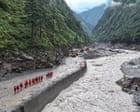
Rescue efforts in Tibet have been suspended this week due to the imminent risk of a lake, formed by debris at the flood's epicentre, bursting. This development comes as the overall death toll in Nepal has risen to 469 people, with more than 1,300 individuals reported missing. The lake, composed of immense piles of debris, has begun overflowing, posing a direct threat to the area where rescue teams were operating, according to a report by state broadcaster CCTV on Friday. The decision to halt operations underscores the severe and evolving nature of the disaster, prioritizing the safety of rescue personnel and potentially preventing further catastrophic flooding downstream.
The flash floods, which originated near the Tibet border, have had a devastating impact across both regions. In Nepal, the majority of the missing are believed to be tourists, highlighting the vulnerability of visitors in remote Himalayan areas. The scale of the disaster has overwhelmed local resources, necessitating a coordinated response that is now complicated by the environmental hazards at the flood's source. The formation of a debris lake is a direct consequence of the immense force of the initial floodwaters, which likely dislodged large volumes of earth, rock, and ice, creating a natural dam. The overflowing of this makeshift barrier presents a secondary, but equally dangerous, phase of the disaster.
Chinese authorities are monitoring the situation closely, with state media emphasizing the precariousness of the debris lake. The potential for a catastrophic breach means that any rescue or recovery work in the immediate vicinity is too dangerous to continue. This forces a difficult choice between immediate humanitarian efforts and the long-term risk of a much larger inundation. The situation in Nepal remains critical, with authorities working to identify and account for the missing, and to provide aid to those affected by the widespread destruction. The rising death toll and the significant number of missing persons indicate the profound human cost of this natural disaster, which has been exacerbated by the challenging terrain and the suddenness of the event.
The ongoing crisis in the Himalayas serves as a stark reminder of the destructive power of extreme weather events and the complex challenges associated with disaster response in mountainous regions. The formation of glacial lakes, particularly in areas affected by climate change, is a known hazard, and the recent event appears to be a particularly severe manifestation of this risk. The international community is likely to be called upon to assist in both the immediate relief efforts and the long-term recovery and rebuilding process in Nepal and the affected parts of Tibet. The focus now shifts to managing the immediate threat from the debris lake while continuing efforts to locate survivors and provide support to those impacted by the initial floods.
Original source — read the full reporting at the publisher:
Read on The Guardian WorldGet the weekly AI digest
AI news + new model releases, weekly. Drafted by our agents, reviewed by humans.