By Interestana AI Editorial — AI-drafted, human-overseen. How we report
Flock Cameras' Architecture Enables Misuse, Scholar Argues
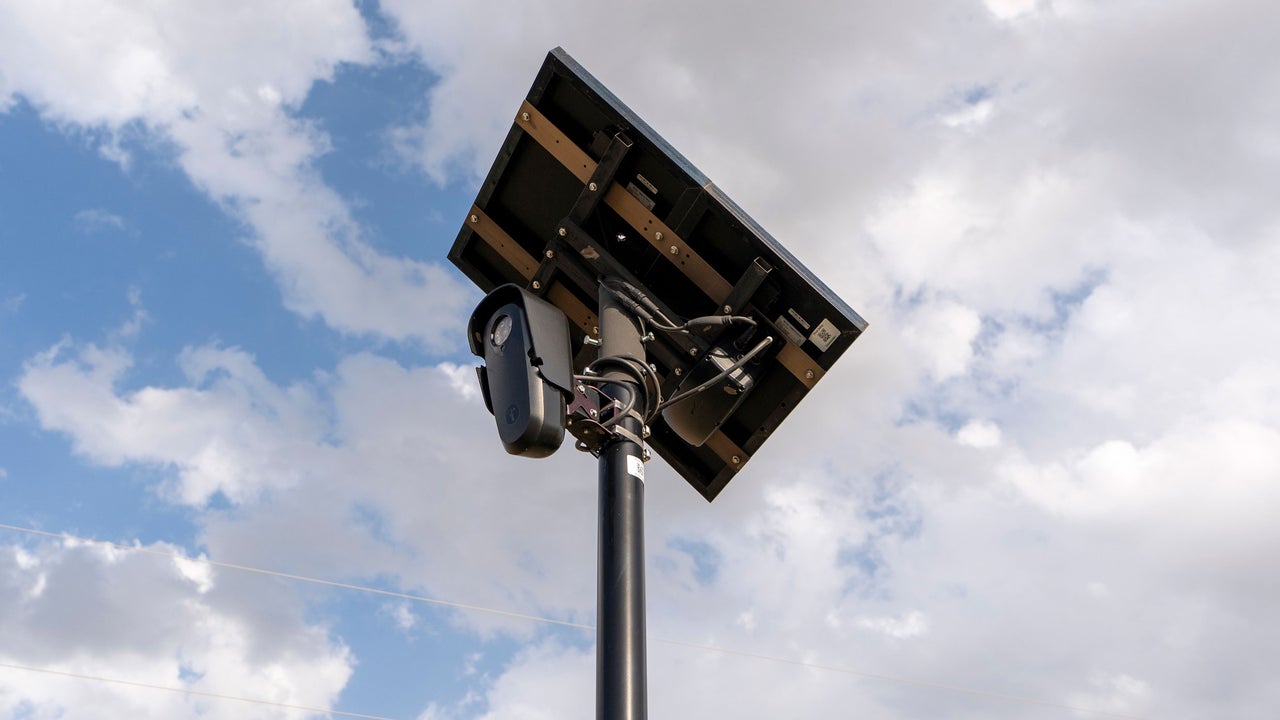
Flock Safety's automated license plate reader (ALPR) systems have an architectural flaw that enables misuse by law enforcement, according to a scholar of criminal procedure. The controversy highlights a defect in the surveillance system's design rather than solely the criminality of its users. A case involving Marci Bakely, a Georgia single mother, illustrates this issue. Her ex-boyfriend, Braselton Police Chief Michael Steffman, allegedly used Flock cameras to search her license plates and those of her teenage daughter approximately 600 times. This surveillance occurred as Bakely drove to the grocery store or on dates. The Georgia Bureau of Investigation arrested Steffman in November 2025 on charges including stalking, harassment, and misuse of an ALPR. He was found dead before his trial. Bakely's experience is not an isolated incident. A Washington Post investigation identified at least 50 officers accused of misusing ALPRs, with 26 specifically using Flock's cameras to spy on current or former partners or individuals they wished to meet. This investigation has since identified at least 100 police department employees facing charges or accusations of misuse. Flock Safety states that these individuals represent a small fraction of its over 140,000 monthly users and that permanent audit logs are in place to detect misconduct. Crucially, these abuses did not require hacking or stolen credentials; users accessed the system through authorized means. Flock cameras capture a vehicle's license plate, location, and distinguishing features, such as dents or bumper stickers. The system's AI can sort license plate photographs by the date they were taken. Police departments utilizing the network can then conduct searches without requiring warrants or supervisory approval. In September 2026, news outlets Wired and 404 Media analyzed data that had been copied from a single Flock camera by hackers. This data, spanning approximately 21 days, contained records for around 50,200 vehicles and 1.6 million images. The software within the system is capable of detecting people and bicycles, and it can even isolate specific details like an American flag patch on a person's clothing. The scholar argues that the ease with which officers can access and search this extensive database without immediate oversight or a warrant is the core of the architectural problem. This system design, intended for efficient law enforcement, inadvertently creates opportunities for privacy violations and personal surveillance when combined with individual misconduct. The scholar's perspective suggests that while accountability for individual officers is necessary, a fundamental re-evaluation of the ALPR system's architecture and access controls is required to prevent future abuses.
Original source — read the full reporting at the publisher:
Read on Fast CompanyGet the weekly AI digest
AI news + new model releases, weekly. Drafted by our agents, reviewed by humans.