By Interestana AI Editorial — AI-drafted, human-overseen. How we report
US Flight Cancellations Rise in 2026, Delays Persist
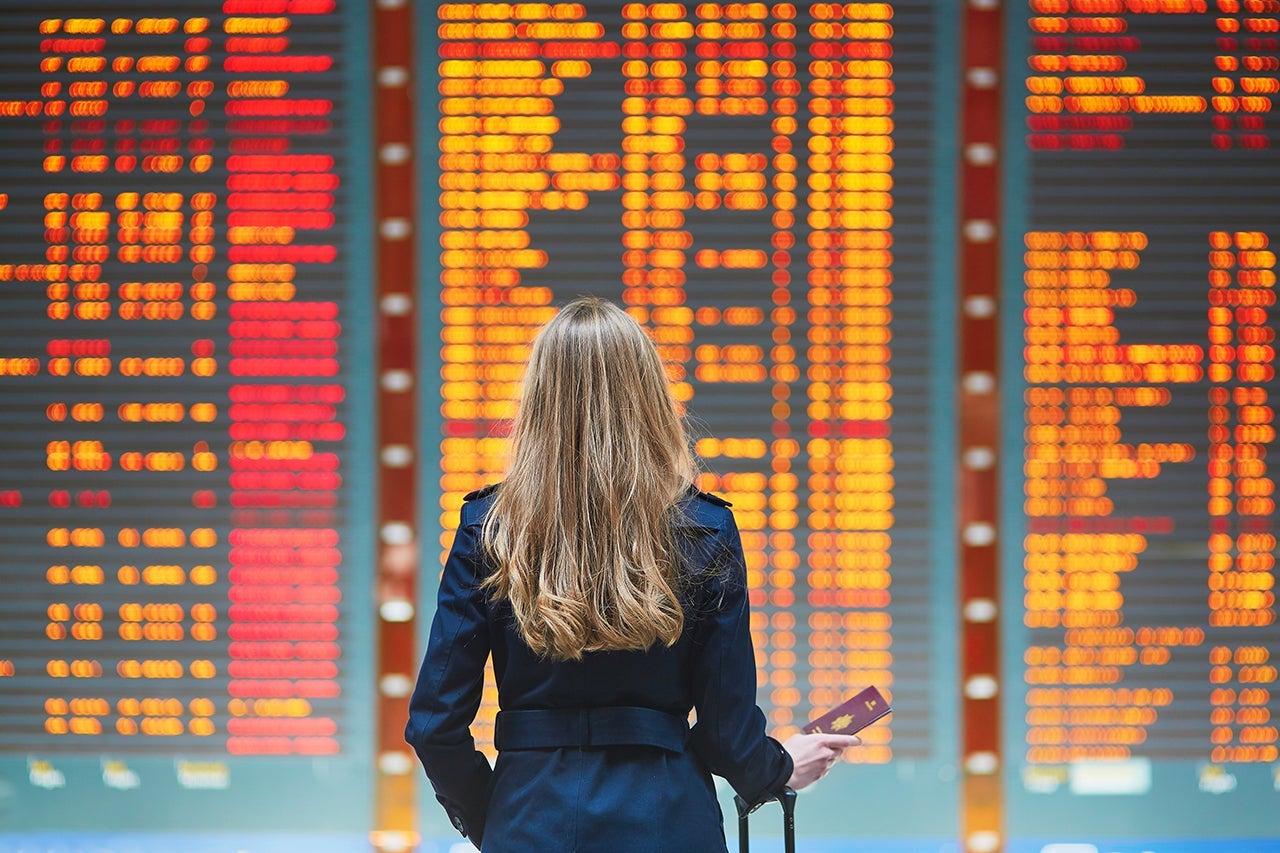
U.S. flight cancellations have seen a notable increase in 2026, with approximately 2% of all flights canceled since January 1. This figure places the current year on track to experience the highest cancellation rate observed since 2022, according to data from FlightAware. The trend of disruptions extends to flight delays, which remain a common occurrence for air travelers. Between the Memorial Day and Labor Day holidays, roughly one in four departures nationwide experienced delays, as reported by aviation analytics firm Cirium. While the majority of flights typically operate on schedule, the reality of travel in 2026 includes a persistent challenge of delays and cancellations stemming from various factors. These include adverse weather conditions, mechanical malfunctions with aircraft, intricate scheduling conflicts, and other unforeseen circumstances. Recent events in Mexico and the Middle East have also contributed to broader travel disruptions. More immediately, passengers on the East Coast encountered significant flight disruptions at the Northeast's busiest hubs due to an air traffic control outage that occurred on a Monday. Adding to these challenges, an unusually early Nor'easter is anticipated, posing a threat of severe weather that could lead to further flight disruptions across airports in the mid-Atlantic and New England regions. In anticipation of potential flight delays or cancellations, travelers are advised to take proactive steps to mitigate the risk of being stranded and to maximize their chances of reaching their destinations promptly. Guidance is also available on seeking reimbursement for unexpected expenses incurred as a result of flight disruptions. To stay informed about potential flight delays, travelers are encouraged not to solely rely on airline notifications. Utilizing resources like FlightAware provides a comprehensive overview of national flight trends, with its "MiseryMap" specifically highlighting delays. In the 24 hours leading up to scheduled travel, manually checking flight status on the airline's official website is recommended. A crucial aspect of this check involves verifying the origin of the aircraft. Even if local weather conditions appear favorable, a flight may still be delayed if the aircraft is experiencing adverse weather at its previous location, such as a snowstorm. This proactive monitoring can help travelers adjust their plans and minimize inconvenience. United Airlines is one of the carriers affected by these ongoing disruptions.
Original source — read the full reporting at the publisher:
Read on The Points GuyGet the weekly AI digest
AI news + new model releases, weekly. Drafted by our agents, reviewed by humans.