By Interestana AI Editorial — AI-drafted, human-overseen. How we report
Flesh-Eating Screwworms Surge in Mexico, Human Cases Exceed 500 Amidst Accelerating Infestation
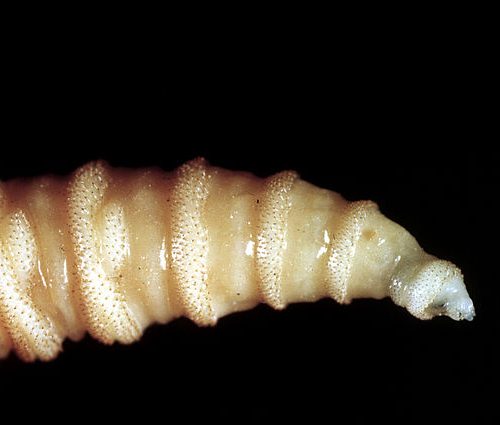
Mexico is grappling with a significant resurgence of the New World screwworm (NWS) fly, a parasitic insect whose larvae, or maggots, feed on living flesh. This re-emergence, noted in 2024, has resulted in a mounting number of human infections. A July surveillance report from Mexico's Ministry of Health indicates that human cases have surpassed 500 across the years 2025 and 2026. Further underscoring the severity of the situation, a study published this week in the peer-reviewed journal *Emerging Infectious Diseases* analyzed data from over 200 confirmed human cases reported between April 2025 and March 2026. This in-depth analysis revealed a concerning trend: the pace of infestation is accelerating, indicating a growing public health challenge.
Within the cohort of 200 confirmed cases examined in the *Emerging Infectious Diseases* study, six deaths were reported. Researchers in Mexico, who contributed to the study, confirmed that at least one of these fatalities was directly caused by the fly's maggots, highlighting the potentially lethal consequences of this parasitic infestation. The New World screwworm fly, scientifically classified as *Cochliomyia hominivorax*, has a history of being endemic to regions including Mexico and parts of the United States. Its life cycle is particularly alarming: adult female flies deposit hundreds of eggs in the open wounds, inflamed tissues, mucous membranes, or natural orifices of warm-blooded creatures. These eggs hatch rapidly, typically within 24 hours, giving rise to voracious maggots that immediately begin to consume the host's living flesh. While the maggots inflict ghastly and life-threatening wounds on a diverse array of warm-blooded species, including humans, their impact is especially devastating to livestock populations. This poses a substantial threat not only to animal welfare but also to agricultural economies that rely on healthy livestock. The Ministry of Health's ongoing surveillance efforts are paramount for tracking the geographical spread of the NWS fly and for implementing effective control and eradication measures against this re-emerging threat. The findings from the *Emerging Infectious Diseases* study provide critical epidemiological data, enabling a more comprehensive understanding of the infestation's dynamics and informing crucial public health responses. The historical presence of the screwworm fly in the region suggests that the ecological conditions conducive to its resurgence were present, necessitating robust monitoring and intervention strategies to prevent further spread and safeguard both human and animal health.
Original source — read the full reporting at the publisher:
Read on Ars TechnicaGet the weekly AI digest
AI news + new model releases, weekly. Drafted by our agents, reviewed by humans.