By Interestana AI Editorial — AI-drafted, human-overseen. How we report
Deadly Storms and Flash Floods Hit US Northeast
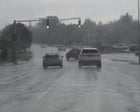
Extreme weather, characterized by torrential rain and high winds, swept across several northeastern United States states on Tuesday night and into Wednesday, triggering flash floods and tornado warnings. This severe weather event resulted in widespread power outages affecting hundreds of thousands of residents and caused significant disruptions to travel across the region. Authorities confirmed that a 32-year-old man died on Tuesday afternoon in Monroe Township, New Jersey, after being struck by lightning. The incident occurred in a solar field, according to initial reports. The weather system brought intense rainfall, leading to rapid rises in water levels and prompting flash flood warnings in affected areas. High winds accompanied the storms, contributing to downed trees and power lines, which in turn led to the extensive power outages. The National Weather Service issued multiple tornado warnings, indicating the potential for rotating thunderstorms capable of producing tornadoes. Residents in the path of the storms were advised to seek shelter immediately and stay informed about weather updates. The combination of lightning, heavy rain, and strong winds created hazardous conditions, impacting emergency services and daily life for millions of people. The full extent of the damage is still being assessed, but early reports indicate widespread disruption. The affected states include New Jersey, Pennsylvania, New York, and Connecticut, among others. Emergency management agencies were mobilized to respond to calls for assistance, including rescues from flooded areas and efforts to restore power. The travel disruptions included flight cancellations and delays at major airports in the region, as well as road closures due to flooding and debris. The meteorological conditions that fueled these storms involved a potent combination of atmospheric instability and moisture, creating an environment ripe for severe convective activity. The event highlights the increasing frequency and intensity of extreme weather phenomena in the region, a trend often linked to broader climate change patterns. The fatalities and widespread damage underscore the critical importance of early warning systems and preparedness measures for communities facing such threats. The impact on infrastructure, including power grids and transportation networks, is expected to be substantial, with recovery efforts likely to continue for several days. The National Weather Service continues to monitor the situation, providing updated forecasts and advisories to ensure public safety.
Original source — read the full reporting at the publisher:
Read on The Guardian WorldGet the weekly AI digest
AI news + new model releases, weekly. Drafted by our agents, reviewed by humans.