By Interestana AI Editorial — AI-drafted, human-overseen. How we report
Grand Canyon Flash Flood Claims One Life, Leaves 15 Missing Amidst Evacuations and Water Pipeline Damage
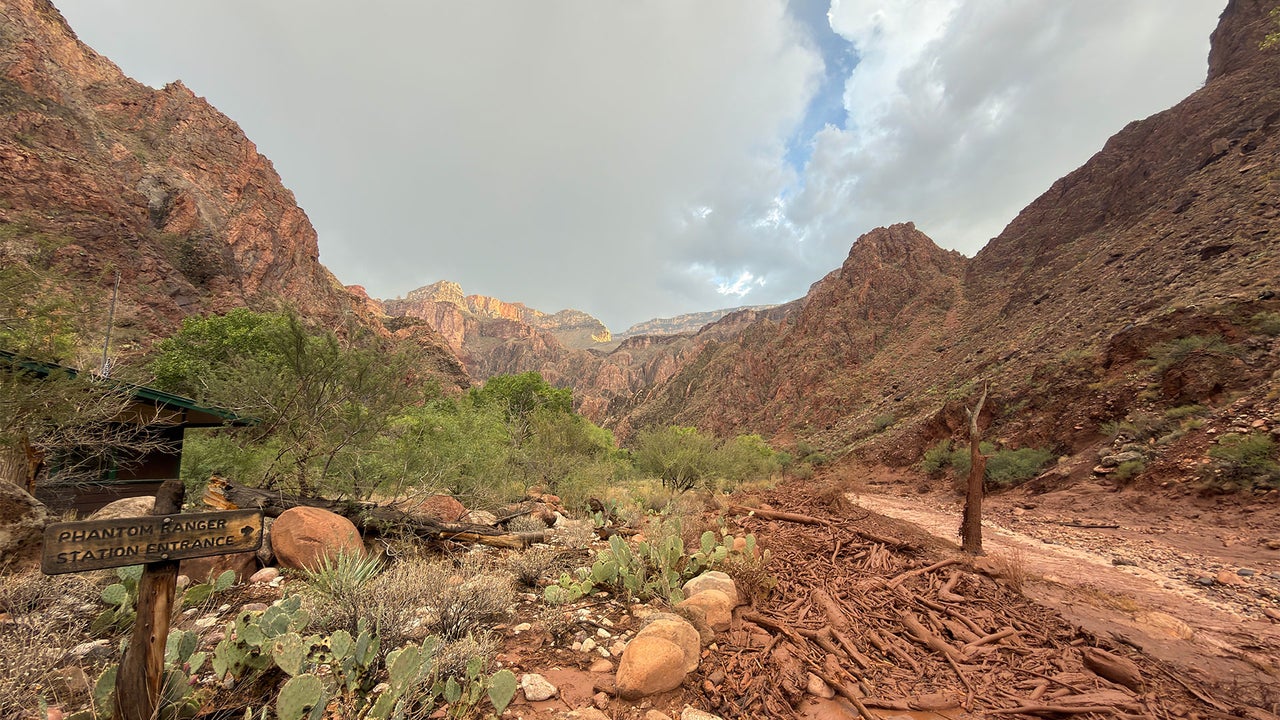
A catastrophic flash flood event in Grand Canyon National Park on Saturday has resulted in the confirmed death of one individual and left approximately 15 people missing or unaccounted for, as reported by the National Park Service on Sunday. The severe flooding, which originated in Bright Angel Creek and surged into the Colorado River, caused substantial disruption, including the displacement of large boulders and the critical damage to the park's sole water pipeline. This pipeline is essential for supplying potable water to both tourists and the year-round residents within the park. The body of the deceased, identified as a 46-year-old man, was recovered Sunday evening near Crystal Rapids along the Colorado River. Officials from an Arizona coroner’s office were dispatched to the scene to manage the recovery and identification process.
The deluge in Bright Angel Creek, a significant tributary that feeds into the Colorado River, led to a large-scale rescue operation. Over 60 individuals were airlifted from the interior of the canyon by helicopter due to the hazardous conditions. The National Park Service has issued an urgent appeal to the public, requesting any information regarding hikers or campers who remain unaccounted for following the incident. The Arizona Department of Public Safety has been actively assisting with ongoing evacuation efforts on Sunday.
The damage to the water pipeline has immediate and significant implications for park operations. Starting Monday, overnight stays at lodges and hotels within the Grand Canyon National Park will be prohibited due to the limited potable water supply. Year-round residents have been strongly advised to conserve water, a measure the park emphasized in a statement as crucial for "ensuring the safety and sustainability of water resources." The Grand Canyon, a globally renowned natural wonder and a cornerstone of the U.S. National Park System, is particularly vulnerable to flash floods during the summer monsoon season. This period, typically from July to September, is characterized by intense, localized thunderstorms and heavy downpours that can rapidly transform normally dry creek beds into dangerous, fast-moving torrents.
Parth Desai, a witness to the event, recounted his harrowing experience. He was hiking with fellow physicians and a park ranger in a narrow section of Bright Angel Canyon when the torrential rain began. Desai described the sudden and violent transformation of the landscape, stating, "We saw the creek flood, waterfalls coming up out of nowhere, boulders, mud, landslides happening everywhere." Later, as their group attempted to reach Phantom Ranch, a historic oasis within the canyon, they were alerted to an imminent threat: a "4-foot (1-meter) debris wall" rapidly approaching. The group narrowly escaped by scrambling up a steep incline into a patch of cacti. They were eventually rescued by helicopter late Saturday after reaching a secure location.
Original source — read the full reporting at the publisher:
Read on Fast CompanyGet the weekly AI digest
AI news + new model releases, weekly. Drafted by our agents, reviewed by humans.