By Interestana AI Editorial — AI-drafted, human-overseen. How we report
Five UK Reservoirs Critically Low Amid Persistent Drought
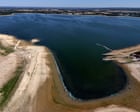
Five critical reservoirs across England and Wales are experiencing "exceptionally low" water levels, intensifying concerns over public water supply as drought conditions and extreme heat persist. This situation is projected to continue into the autumn months, with further dry weather posing significant risks. The United Kingdom has experienced back-to-back heatwaves throughout the summer, exacerbated by climate change, leading to a stark reduction in rainfall. Consequently, approximately three-quarters of England and the entirety of Wales have been officially declared to be in drought. This widespread drought impacts not only water availability for the public but also agricultural sectors and natural ecosystems. The sustained high temperatures have increased evaporation rates from reservoirs and other water bodies, while the lack of precipitation has failed to replenish these vital sources. Water companies are implementing various measures to conserve supply, including hosepipe bans in affected regions, to manage demand during this critical period. The Environment Agency and water management authorities are closely monitoring the situation, issuing warnings about the potential for "real trouble" if the autumn does not bring substantial rainfall. The prolonged dry spell has significant implications for biodiversity, with river flows reduced and habitats under stress. The agricultural industry is also facing challenges, with crop yields affected and increased demand for irrigation. The current reservoir levels are a stark indicator of the environmental pressures the UK is facing, highlighting the need for long-term strategies to improve water resilience and adapt to a changing climate. The "exceptionally low" status of these five reservoirs signifies a critical point in water management, where the capacity to meet demand is severely tested. These reservoirs are vital components of the national water infrastructure, supplying millions of households and businesses. Their depleted state underscores the vulnerability of current water systems to extreme weather events. The ongoing drought is a direct consequence of a pattern of increasingly severe weather events linked to global climate change, emphasizing the interconnectedness of environmental health and human infrastructure. The situation necessitates a comprehensive review of water resource management, including investment in new infrastructure, improved leakage reduction, and promoting water efficiency across all sectors of society. The potential for continued drought into the autumn raises concerns about the long-term ecological and economic impacts, as well as the immediate challenges for public water security.
Original source — read the full reporting at the publisher:
Read on The Guardian WorldGet the weekly AI digest
AI news + new model releases, weekly. Drafted by our agents, reviewed by humans.