By Interestana AI Editorial — AI-drafted, human-overseen. How we report
2026 FIFA World Cup Finals Feature First Halftime Show
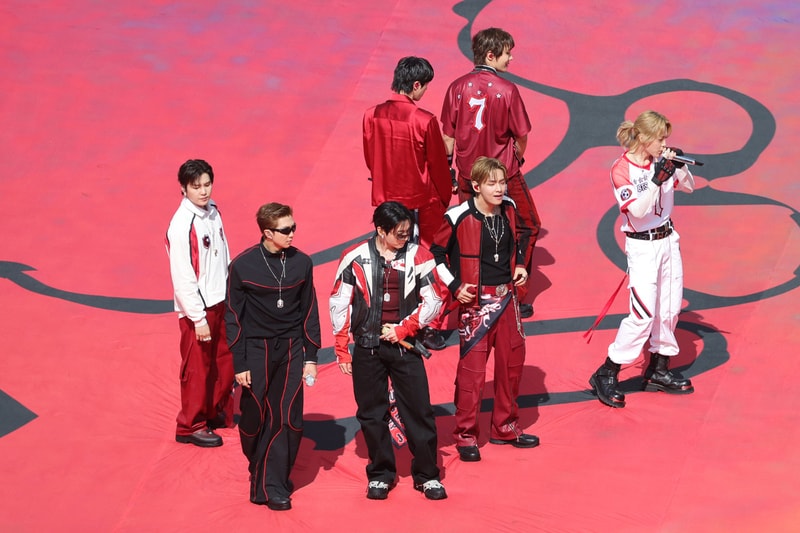
The 2026 FIFA World Cup Finals marked a significant integration of music and sport by introducing the tournament's first-ever halftime show and a grand Closing Ceremony spectacle. This event showcased a convergence of global soccer culture with contemporary music, featuring prominent artists in custom designer attire.
Justin Bieber performed in head-to-toe SKYLRK, including a one-of-one SKYLRK Polo, SKYLRK Raw Denim Shorts, unreleased SKYLRK Matter Daddy Sneakers, SKYLRK Slouchy white Socks, and SKYLRK Speed Demon Sunglasses. His performance also featured custom SKYLRK accessories for his ear piece and guitar strap. This appearance coincided with SKYLRK's first New York City pop-up and the introduction of its audio line.
South Korean group BTS performed "Dynamite" in coordinated red outfits. RM wore a custom LUEDER look from the Autumn/Winter 2026 collection, inspired by the "Ghosts of My Life" theme and commissioned by HARDSTYLE. JUNG KOOK sported a custom DIRT jacket by Courtney MC, paired with Proper eyewear, Parnell Mooney pants, and DOSIS G6C silver accessories. J-HOPE wore a Protocol Index kit with John Lawrence Sullivan pants and REIMAGINE shoes. SUGA was dressed in a Palace windbreaker with leather VAIN pants, while V (Tae-hyung) chose a vintage Dirk Bikkembergs leather jacket and pants.
Jennifer Hudson delivered the US National Anthem in a custom Thom Browne ensemble. The event underscored the growing influence of fashion and music within major sporting events, with artists leveraging the global platform to showcase designer collaborations and personal style.
Original source — read the full reporting at the publisher:
Read on HypebeastGet the weekly AI digest
AI news + new model releases, weekly. Drafted by our agents, reviewed by humans.