By Interestana AI Editorial — AI-drafted, human-overseen. How we report
First H5 Bird Flu Death of Endangered Australian Sea Lion Recorded Amid Fears for Small Population
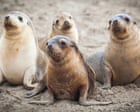
South Australia has officially recorded the first death of an endangered Australian sea lion attributed to the H5 bird flu virus. This critical case was identified on Kangaroo Island, a significant breeding ground for the species. The confirmation by South Australian authorities introduces a new and alarming dimension to the ongoing spread of avian influenza, a highly pathogenic strain of influenza A virus that primarily affects birds but has demonstrated an increasing capacity to infect and cause severe illness or death in a range of mammalian species. This marks a concerning escalation in the virus's impact beyond its typical avian hosts.
Experts express significant concern over this development, given the precarious status of the Australian sea lion (Neophoca cinerea). This species is endemic to Australia and is the only pinniped (seal, sea lion, or walrus) native to the country. The total population is estimated to be fewer than 12,000 individuals, with some more recent estimates suggesting the number may be less than 10,000. The majority of this vulnerable population resides in South Australia, with a smaller contingent found in Western Australia. The introduction of a deadly pathogen like H5 bird flu into such a limited and geographically concentrated gene pool poses a substantial threat to the species' long-term survival. The virus's ability to jump from avian hosts to marine mammals highlights the evolving challenges in wildlife disease management and the interconnectedness of ecosystems, demonstrating a potential for zoonotic spillover events with significant ecological consequences.
The discovery on Kangaroo Island, a protected area and a vital stronghold for the Australian sea lion, underscores the potential for the virus to spread to isolated and vulnerable wildlife populations. This event follows a period of heightened awareness regarding bird flu outbreaks globally and within Australia. In recent years, H5N1 and other highly pathogenic avian influenza strains have caused widespread mortality in wild bird populations and have led to significant economic impacts and public health concerns through outbreaks in domestic poultry, necessitating large-scale culling operations and stringent biosecurity measures. The impact on the Australian sea lion population could be severe, potentially leading to significant mortality events that could drastically reduce numbers and hinder recovery efforts. Conservationists and wildlife health officials are now under pressure to implement rapid response strategies to monitor the situation, understand the transmission dynamics, and mitigate further spread within the sea lion colonies. The long-term implications for the species' genetic diversity and reproductive success are also a major concern, as a significant loss of individuals could have cascading effects on population resilience and the species' ability to adapt to environmental changes.
Original source — read the full reporting at the publisher:
Read on The Guardian WorldGet the weekly AI digest
AI news + new model releases, weekly. Drafted by our agents, reviewed by humans.