By Interestana AI Editorial — AI-drafted, human-overseen. How we report
Cortical Cells Found to Initiate Sleep Rhythms
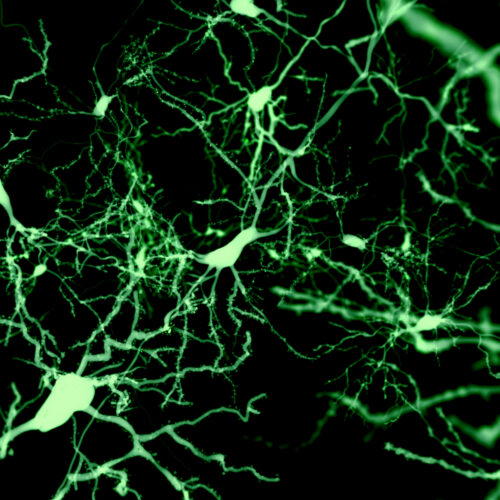
Neuroscientists Geoffrey Terral and Renata Batista-Brito at the Albert Einstein College of Medicine in New York have identified a specific population of cortical cells that can initiate sleep rhythms, challenging the long-standing scientific consensus that sleep is primarily controlled by subcortical regions. Historically, the cerebral cortex, the outer layer of the brain responsible for higher-level cognitive functions, was viewed as a passive recipient of signals that dictated its activity during sleep. The slow rhythms characteristic of deep sleep were observable in the cortex, but the prevailing assumption was that the underlying triggers originated in deeper brain structures. This new research, published in the journal Nature, presents evidence that the cortex itself possesses the capability to generate these sleep-promoting rhythms.
These newly identified cortical cells constitute a small fraction, approximately one percent, of the inhibitory neurons within the cortex. The researchers demonstrated in experiments with mice that activating this specific group of neurons was sufficient to induce sleep in the animals. This finding suggests a significant shift in understanding sleep regulation, moving beyond a purely top-down model controlled by subcortical areas. "What our work shows is that the cortex can not only see this rhythm but also initiate it by itself, and this is sufficient to promote sleep," stated Geoffrey Terral, a neuroscientist involved in the study. This discovery implies that the cortex plays a more active and initiating role in the onset of sleep than previously understood.
The implications of this research extend to a deeper comprehension of sleep disorders and the complex neural mechanisms governing sleep-wake cycles. By pinpointing a cortical mechanism for sleep initiation, future studies may explore novel therapeutic targets for conditions characterized by sleep disturbances. The Albert Einstein College of Medicine, where the research was conducted, is a prominent institution dedicated to biomedical research and education, contributing significantly to advancements in understanding human health and disease. The journal Nature is a highly respected international weekly journal of science, known for publishing groundbreaking research across various scientific disciplines, underscoring the significance of this finding within the broader scientific community.
Original source — read the full reporting at the publisher:
Read on Ars TechnicaGet the weekly AI digest
AI news + new model releases, weekly. Drafted by our agents, reviewed by humans.