By Interestana AI Editorial — AI-drafted, human-overseen. How we report
Bitcoin Bulls Embrace Financial Repression Narrative
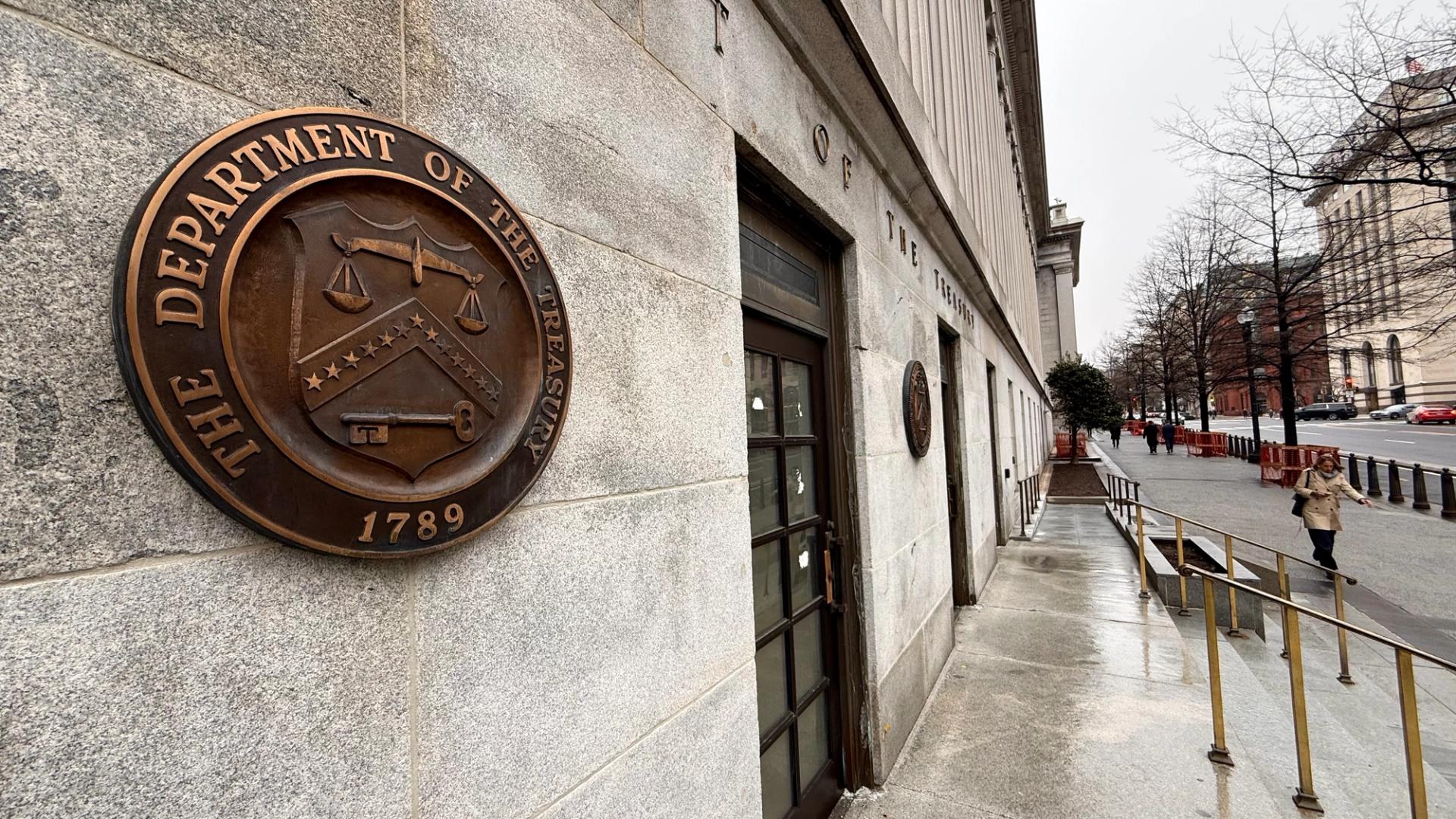
Bitcoin proponents are increasingly framing the cryptocurrency's appeal through the lens of financial repression, a concept previously associated with traditional finance. This narrative shift suggests a growing belief among some investors that Bitcoin offers a hedge against government policies designed to suppress returns on traditional savings and investments. Financial repression, in economic terms, refers to a range of government policies that deliberately keep interest rates below market levels to reduce the cost of borrowing for the state and to encourage domestic savings to flow into government debt. Historically, such policies have included interest rate ceilings, directed credit, and capital controls.
The argument posits that as central banks worldwide continue quantitative easing and maintain low-interest-rate environments, savers are effectively being penalized. This environment, characterized by negative real interest rates (where inflation outpaces nominal interest rates), erodes the purchasing power of fiat currencies. Bitcoin, with its fixed supply of 21 million coins, is presented as a counterpoint to inflationary monetary policies. Proponents argue that its decentralized nature and resistance to direct government manipulation make it a superior store of value compared to assets subject to central bank interventions and fiscal policies.
This perspective draws parallels between the current global economic climate and historical instances of financial repression. For example, during and after World War II, many countries implemented policies to manage their war debts, which often involved suppressing interest rates and channeling savings into government bonds. Bitcoin advocates suggest that contemporary quantitative easing programs and the potential for future debt monetization by governments are creating a similar, albeit technologically driven, environment of financial repression. They believe that Bitcoin's scarcity and independence from any single monetary authority offer a refuge for capital.
The adoption of the "financial repression" narrative by Bitcoin bulls signifies a maturation of the cryptocurrency's use case beyond speculative trading. It positions Bitcoin not just as a digital asset but as a fundamental tool for financial sovereignty and wealth preservation in an era of increasing state intervention in financial markets. This framing aims to attract a broader audience, including those traditionally wary of volatile digital assets, by appealing to their concerns about economic stability and the security of their savings. The narrative suggests that as governments continue to manage economies through monetary and fiscal tools that may inadvertently or intentionally suppress returns on conventional assets, Bitcoin's fixed supply and decentralized architecture become increasingly attractive as a hedge against such policies.
Original source — read the full reporting at the publisher:
Read on CoinDeskGet the weekly AI digest
AI news + new model releases, weekly. Drafted by our agents, reviewed by humans.