By Interestana AI Editorial — AI-drafted, human-overseen. How we report
Fifa Scraps Private Investment Plan, Says Wenger
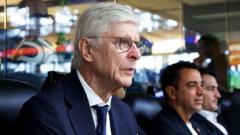
Fifa's chief of global football development, Arsene Wenger, has confirmed that the organization decided to abandon its plan to bring private investment into Fifa competitions, deeming the move "absolutely necessary." Wenger, a former Arsenal manager and a prominent figure in football development, explained that the decision was made to safeguard the integrity and future of the sport. While specific details regarding the nature of the private investment proposals or the exact timeline for their consideration were not extensively elaborated upon in the initial reports, Wenger's statement indicates a significant shift in Fifa's strategy concerning external financial partnerships for its major tournaments. The rationale behind scrapping the plan appears to stem from a desire to maintain control over the direction and governance of football's premier events, potentially avoiding conflicts of interest or undue influence from private equity firms or investment groups.
This decision comes at a time when many major sports organizations globally are exploring diverse revenue streams and investment models to fund growth, infrastructure development, and athlete support. The allure of substantial private capital can offer immediate financial benefits, but it also introduces complexities related to decision-making power, commercialization, and the long-term vision for the sport. Fifa, as the international governing body for association football, has a unique responsibility to ensure fair play, global accessibility, and the sustainable development of football across all its member nations. The "absolutely necessary" nature of the decision, as articulated by Wenger, suggests that the potential risks associated with private investment were perceived to outweigh the immediate financial gains.
Fifa's executive committee, which would have been instrumental in approving such a significant financial strategy, has now been directed to pursue alternative avenues for funding and development. The organization's focus is likely to remain on its existing commercial partnerships, broadcast rights, and member association contributions. Wenger's role as chief of global football development positions him as a key strategist in shaping the future of the sport, and his endorsement of scrapping the private investment plan carries considerable weight. His career has been marked by a commitment to football's grassroots and a holistic approach to player and team development, which may inform his perspective on the ideal financial structures for the sport's governance.
The implications of this decision extend beyond Fifa's immediate financial planning. It signals a cautious approach to financial innovation within a sport that is deeply embedded in global culture and faces constant scrutiny regarding its governance and commercial practices. The move underscores a commitment to prioritizing the sport's core values and long-term health over potentially lucrative but complex financial arrangements. Further details on Fifa's revised financial strategy and its implications for future competitions are anticipated as the organization navigates its development goals.
Original source — read the full reporting at the publisher:
Read on BBC SportGet the weekly AI digest
AI news + new model releases, weekly. Drafted by our agents, reviewed by humans.