FIFA's Red Card Reversal Offers Cautionary Tale for Trump
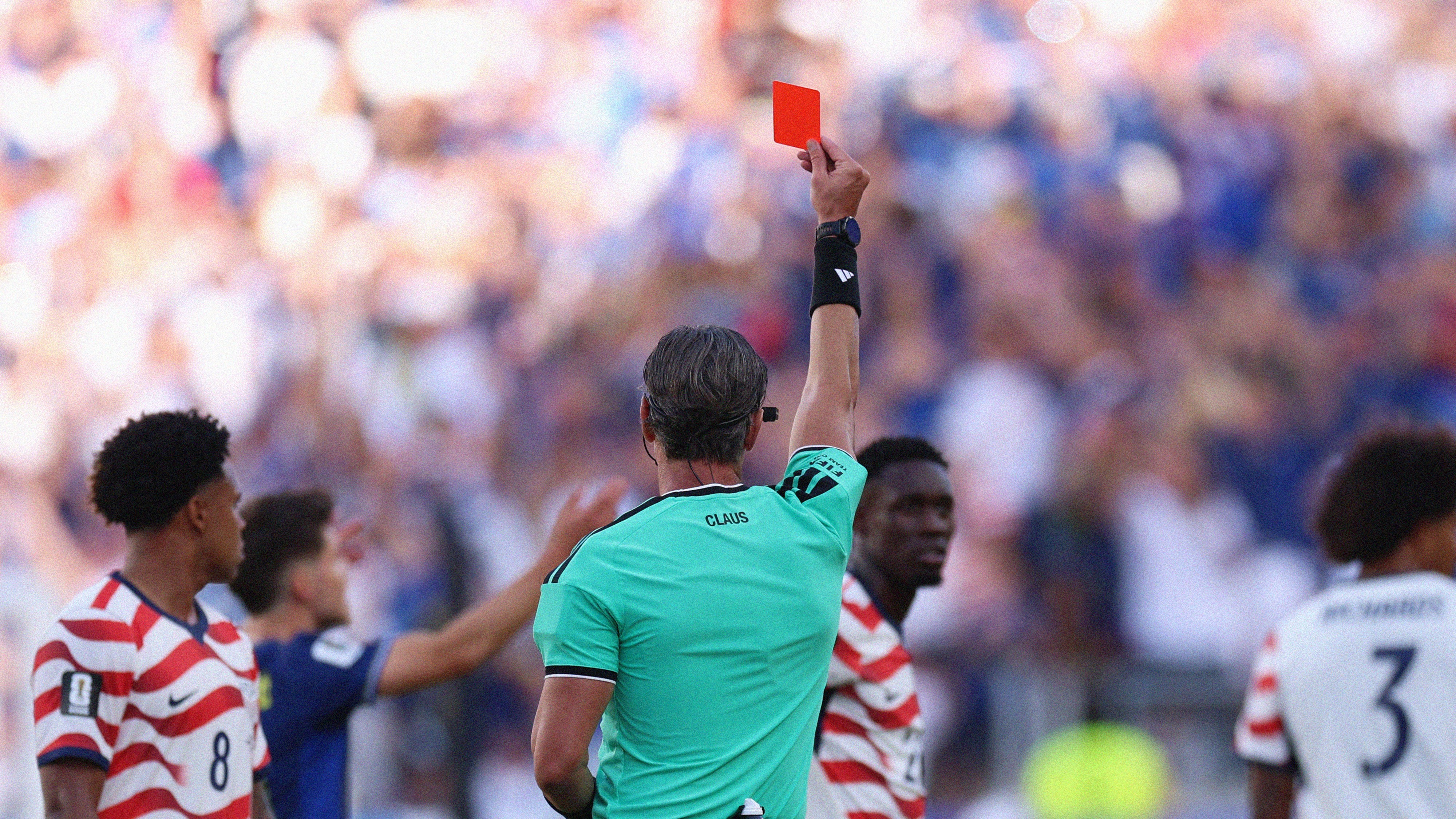
The Fédération Internationale de Football Association (FIFA) recently faced scrutiny following a controversial decision to overturn a red card issued to an American player during a match. This incident, which led to public debate and questions about the integrity of officiating, serves as a cautionary tale about how institutions can forfeit the benefit of the doubt when their decision-making processes appear inconsistent or influenced by external pressures. The situation underscores the importance of clear, transparent, and consistently applied rules, especially in high-stakes environments where public trust is paramount.
This event draws parallels to potential challenges faced by former President Donald Trump, particularly concerning his legal battles and political standing. Institutions, whether sporting bodies or political organizations, are vulnerable when their actions are perceived as arbitrary or subject to political expediency rather than established principles. The FIFA incident suggests that a lack of perceived fairness and transparency can erode credibility, making it difficult for the institution to regain public confidence. This erosion of trust can have significant repercussions, impacting future decisions and the overall authority of the body.
For Trump, the FIFA scenario offers a lens through which to view the potential consequences of perceived procedural irregularities or biased decision-making. In legal contexts, such as the ongoing investigations and trials he faces, maintaining the appearance and reality of due process is critical. Any perception that legal or political processes are being manipulated or are not applied equitably could lead to a similar forfeiture of the benefit of the doubt, similar to what FIFA experienced. The public's reaction to the FIFA red card reversal indicates a strong desire for accountability and predictable outcomes, principles that are equally vital in the legal and political arenas.
The core lesson from the FIFA incident is that institutions must prioritize consistent application of rules and transparent communication to maintain legitimacy. When decisions are questioned and perceived as flawed, the institution's standing can be significantly damaged. This is particularly relevant for figures like Trump, whose career has been marked by significant public and legal controversies. The need for clear, defensible actions and decisions is a universal principle for any entity seeking to operate effectively and maintain public trust, whether on the football pitch or in the courtroom.
Original source — read the full reporting at the publisher:
Read on The Atlantic