Ships Avoid Hormuz Strait After Omani Coast U-Turns
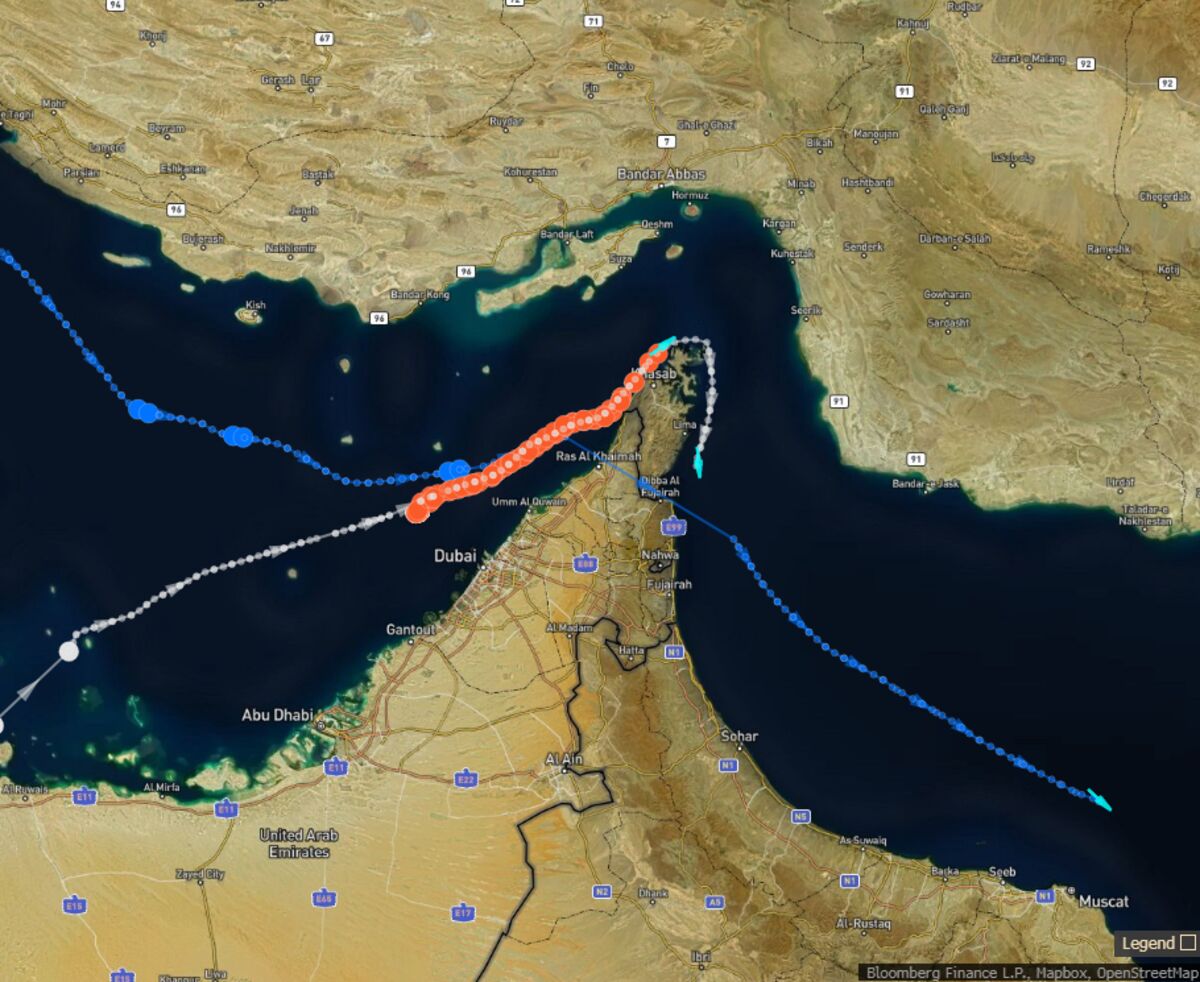
The number of ships transiting the Strait of Hormuz via the Omani coast saw a substantial decline on Sunday. This reduction followed an incident on Saturday where several vessels navigating this route executed sharp U-turns, signaling a potential impact of regional tensions on maritime traffic. The Strait of Hormuz is a critical chokepoint for global oil shipments, and any disruption or perceived risk can influence international energy markets.
While specific details regarding the cause of the U-turns were not immediately disclosed, the event occurred amidst Iran's ongoing assertiveness in controlling maritime activities within the strait. Iran has previously used its influence and military presence to assert control over the waterway, which is vital for the transit of oil and gas from the Persian Gulf. The observed decrease in vessel traffic suggests that shipping companies and operators are responding to perceived risks or direct advisories related to passage along the Omani coast.
This development highlights the delicate geopolitical balance in the region and its direct impact on global supply chains. The Strait of Hormuz handles approximately 20% of global oil consumption, making any impediment to its flow a significant concern for the world economy. Maritime authorities and international bodies closely monitor traffic through this strait to ensure the safety and security of navigation and to mitigate potential economic fallout from any incidents.
The incident underscores the ongoing efforts by Iran to maintain its influence over this strategic waterway. The decision by vessels to alter their course and the subsequent drop in traffic indicate a heightened sense of caution among maritime operators. Further monitoring will be necessary to determine the duration and extent of this traffic reduction and its broader implications for oil prices and global trade.
Original source — read the full reporting at the publisher:
Read on Bloomberg Markets