By Interestana AI Editorial — AI-drafted, human-overseen. How we report
Hamilton Blames Ferrari Strategy for Lost Dutch GP Podium
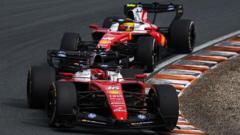
Lewis Hamilton has stated that Ferrari's strategic decisions concerning his teammate Charles Leclerc's position during the Dutch Grand Prix potentially cost him a second-place finish. Hamilton suggested that if Leclerc had been moved out of his way earlier, he might have been able to secure a higher podium position. The incident occurred during a period of the race where track position was critical, and Hamilton felt Ferrari's handling of the situation was not optimal for his race outcome. He indicated that the time lost due to the team's tactical choices was a significant factor in his inability to achieve a better result. Hamilton's comments highlight a perceived lack of team coordination or strategic foresight from Ferrari during a crucial phase of the race. The Dutch Grand Prix, held at the Circuit Zandvoort, is known for its challenging layout and the difficulty of overtaking, making strategic timing even more important for drivers. Hamilton, a seven-time Formula 1 World Champion, is known for his analytical approach to race strategy and his candid assessments of team performance. His remarks suggest a desire for more decisive and driver-supportive strategic calls from Ferrari in future races. The team's performance at Zandvoort saw both drivers finish outside the podium places, with Max Verstappen of Red Bull Racing taking victory. Hamilton's frustration stems from the belief that a more aggressive or proactive strategic move by Ferrari could have altered the final standings for him. The precise moment of contention involved a period where Leclerc was ahead of Hamilton on track, and the team did not immediately facilitate a position swap that Hamilton felt would have been beneficial. This situation underscores the complex interdependencies within a Formula 1 team, where driver performance is intrinsically linked to the strategic decisions made by the pit wall. The competitive nature of Formula 1 means that even small tactical errors or delays can have substantial consequences on race results and championship standings. Hamilton's comments are likely to fuel further discussion about Ferrari's in-race management and their ability to maximize points in challenging circumstances. The team will be looking to analyze these incidents to improve their strategic execution moving forward in the season.
Original source — read the full reporting at the publisher:
Read on BBC SportGet the weekly AI digest
AI news + new model releases, weekly. Drafted by our agents, reviewed by humans.