By Interestana AI Editorial — AI-drafted, human-overseen. How we report
Feminism's Root Cause Debated in Reader Responses
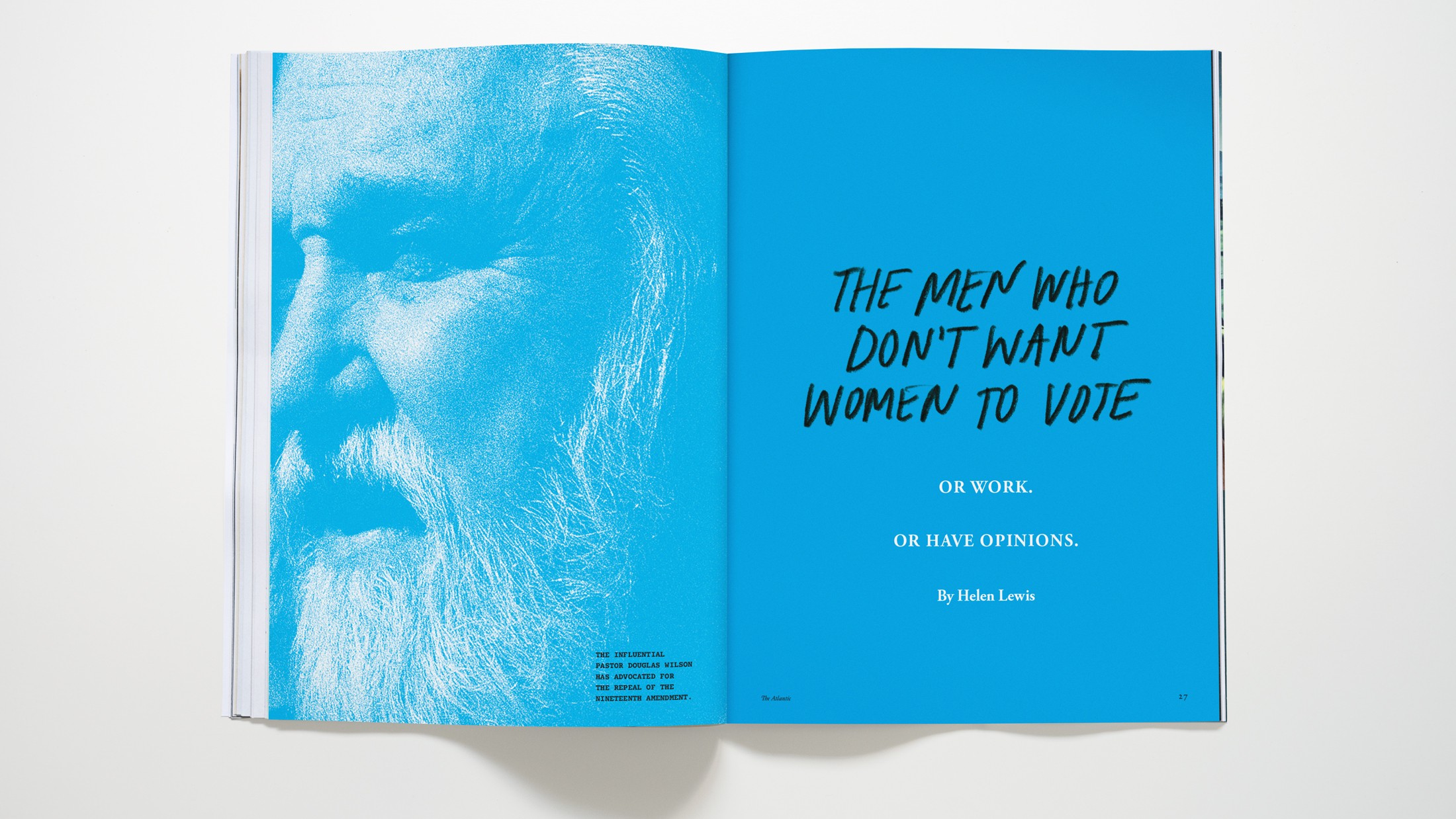
Reader correspondence following the June 2026 cover story "Feminism Is the Consequence of the 'Man Problem,' Not Its Cause" reveals a spectrum of views on the fundamental drivers of feminist movements. One prominent perspective posits that feminism is a reactive force, emerging as a direct response to pervasive societal issues attributed to male behavior and patriarchal structures, often termed the "man problem." This viewpoint suggests that the historical and ongoing disadvantages faced by women are not inherent to gender but are instead a consequence of specific, problematic social dynamics and power imbalances perpetuated by men.
Conversely, other readers argue that feminism's origins are more deeply rooted in systemic inequalities that predate or extend beyond individual male actions. This interpretation suggests that feminism arises from a fundamental critique of historical and ongoing power structures that have systematically marginalized women, regardless of specific instances of problematic male behavior. These perspectives emphasize the need to address ingrained societal norms, legal frameworks, and cultural narratives that have historically favored male dominance and restricted female autonomy. The debate highlights a divergence between viewing feminism as a solution to specific male-generated problems versus a broader challenge to entrenched gender-based hierarchies.
Further discussion points raised by readers include the evolution of feminist theory and its diverse branches, acknowledging that not all feminist thought aligns with the "consequence of the man problem" framing. Some letters touch upon the intersectionality of feminism, recognizing how gender inequality interacts with other forms of oppression, such as race, class, and sexual orientation. The complexity of the "man problem" itself is also a subject of contention, with some readers seeking clarification on what specific behaviors or societal roles are being referenced, while others defend the term as a shorthand for a broad range of issues impacting women.
The exchange underscores the ongoing relevance and multifaceted nature of discussions surrounding gender, power, and social justice. The varied responses indicate that while the cover story aimed to provoke thought on the origins of feminism, it also illuminated the diverse interpretations and ongoing debates within society regarding the root causes of gender inequality and the purpose of feminist movements. The correspondence serves as a snapshot of contemporary discourse, reflecting both agreement with and challenges to the central thesis presented in the June 2026 publication.
Original source — read the full reporting at the publisher:
Read on The AtlanticGet the weekly AI digest
AI news + new model releases, weekly. Drafted by our agents, reviewed by humans.