By Interestana AI Editorial — AI-drafted, human-overseen. How we report
Federal Reserve Proposes Stablecoin Rules on Reserves and Capital
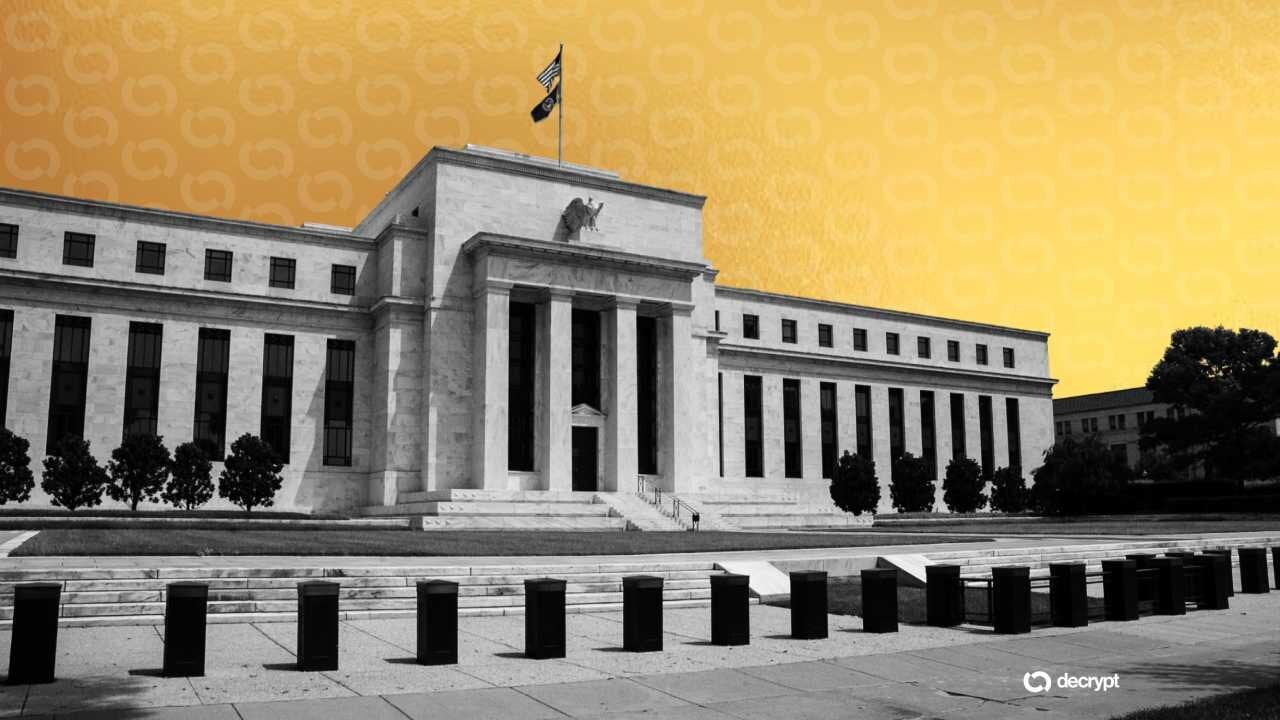
The Federal Reserve has initiated a significant regulatory step by unveiling two proposed rules concerning stablecoins, aiming to enhance financial stability and consumer protection within the burgeoning digital asset market. These proposals, put forth for public comment, are designed to govern entities that issue stablecoins and are under the central bank's supervision. The core of the proposed regulations centers on ensuring that stablecoins are fully backed by safe and liquid assets, thereby mitigating risks associated with potential de-pegging events and runs on stablecoin reserves. This requirement mandates that issuers must hold reserves equivalent to the full value of the outstanding stablecoins, with these reserves comprising only high-quality, low-risk assets such as U.S. Treasury securities and cash. Such a stringent backing mechanism is intended to instill confidence in the stability of these digital currencies, which are often pegged to the value of fiat currencies like the U.S. dollar.
Furthermore, the proposals introduce a formal application and approval process for banking organizations that wish to issue stablecoins. This framework is designed to ensure that only well-capitalized and prudentially supervised institutions can engage in stablecoin issuance, thereby integrating these digital assets into the traditional financial system under established regulatory oversight. The application process will likely involve rigorous scrutiny of an applicant's business model, risk management practices, and capital adequacy. The Federal Reserve's objective here is to prevent the emergence of a shadow banking system for stablecoins, ensuring that their issuance and management align with broader financial stability goals. This move is a direct response to the growing prominence of stablecoins and the potential systemic risks they could pose if not adequately regulated, especially in light of past incidents involving the collapse of certain stablecoin projects.
The proposals are being advanced under the authority of the Gramm-Leach-Bliley Act (GLBA), a landmark piece of legislation that reshaped financial regulation in the United States. While the prompt mentions the "GENIUS Act," this appears to be a misstatement; the regulatory authority for such proposals typically stems from existing financial statutes like the GLBA, which grants broad powers to federal financial regulators. The Federal Reserve's action signals a proactive approach to regulating the digital asset space, moving beyond a purely observational stance to actively shaping the landscape. The comment period allows industry participants, consumer groups, and the public to provide feedback, which the Federal Reserve will consider before finalizing any rules. This consultative approach is standard practice for significant regulatory changes and allows for adjustments based on practical considerations and potential unintended consequences. The ultimate goal is to foster responsible innovation in the digital asset sector while safeguarding the integrity of the U.S. financial system and protecting consumers from the risks associated with unregulated or inadequately regulated digital currencies.
Original source — read the full reporting at the publisher:
Read on DecryptGet the weekly AI digest
AI news + new model releases, weekly. Drafted by our agents, reviewed by humans.