By Interestana AI Editorial — AI-drafted, human-overseen. How we report
Fed Official Warns Inflation Fight Will Be Painful
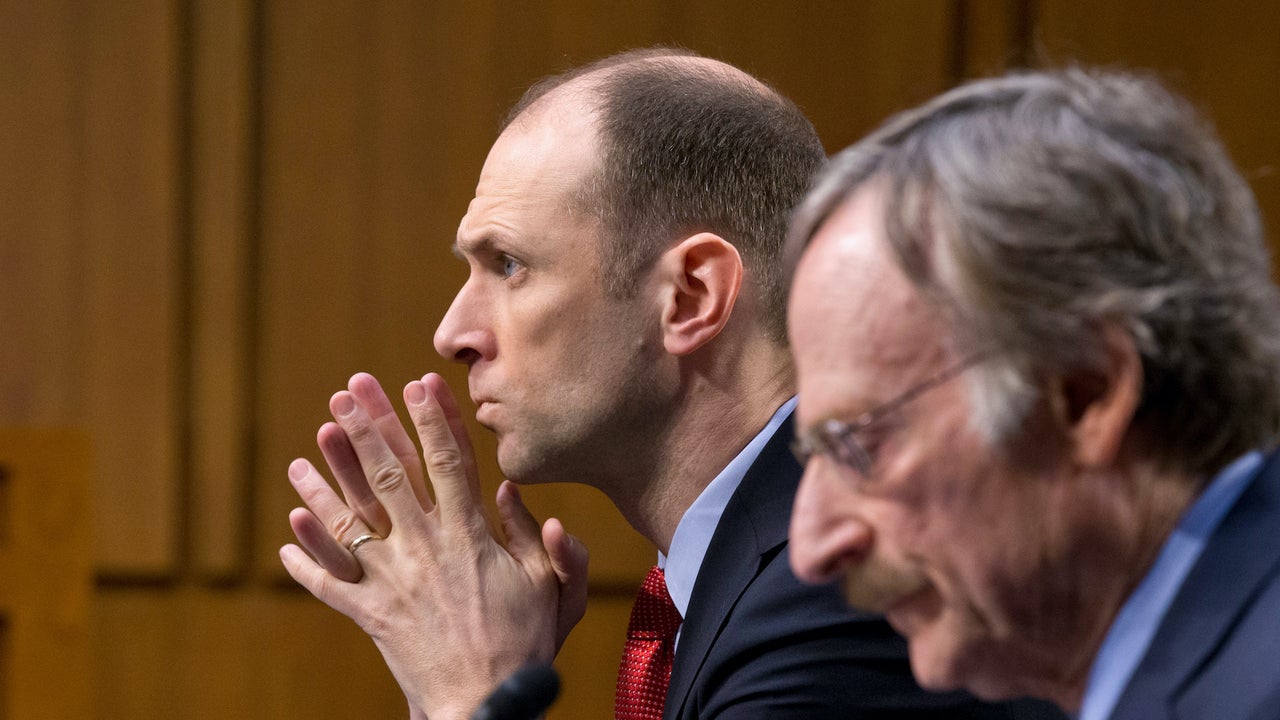
Austan Goolsbee, president of the Federal Reserve Bank of Chicago, indicated on Monday that the central bank may need to induce economic hardship, specifically through higher unemployment, to effectively combat persistent inflation. In a speech delivered in London, Goolsbee explained that the Federal Reserve is contending with a series of ongoing supply shocks that have driven up inflation. These shocks include factors such as increased oil prices, potentially exacerbated by geopolitical events like the Iran war, and the impact of tariffs.
Goolsbee elaborated that typically, central banks would allow such supply shocks to dissipate naturally and await a subsequent decrease in inflation without resorting to raising borrowing costs. However, he asserted that in the current environment, characterized by a continuous stream of persistent supply shocks, the Fed has limited alternatives other than to increase interest rates. He emphasized that these rate hikes are necessary to reduce both consumer and business demand to a level that aligns with the constrained supply, thereby guiding inflation back towards the Federal Reserve's 2% target.
"The only way to bring inflation down is to raise rates and narrow the gap between supply and demand," Goolsbee stated in the written text of his remarks. He further articulated the difficult trade-off the Fed faces in the short term, noting that "Forcing inflation back to target in the short run means pushing employment below target." He described this situation as presenting a "difficult trade-off" between the Federal Reserve's dual mandates of maintaining low inflation and achieving maximum employment. Speaking to reporters after his prepared remarks, Goolsbee acknowledged that the process "It's going to be painful" and "It would necessarily be painful."
These pronouncements from Goolsbee appear to diverge from recent statements made by Federal Reserve Chairman Kevin Warsh. Last Wednesday, following the Fed's decision to raise its key interest rate for the first time in three years to approximately 3.9%, Warsh expressed a different perspective. He stated at a news conference, "I don’t believe that we need to do harm to the labor markets to achieve our objective." Historically, the Federal Reserve has employed interest rate increases as its primary tool to curb inflation by cooling down borrowing and spending. Such monetary policy tightening has frequently resulted in slower economic growth and, in some instances, recessions. However, the period between 2022 and 2023 saw the Fed implement significant interest rate hikes, during which inflation did decrease without a substantial increase in unemployment or a notable economic slowdown.
Original source — read the full reporting at the publisher:
Read on Fast CompanyGet the weekly AI digest
AI news + new model releases, weekly. Drafted by our agents, reviewed by humans.